Borealis Brand Design
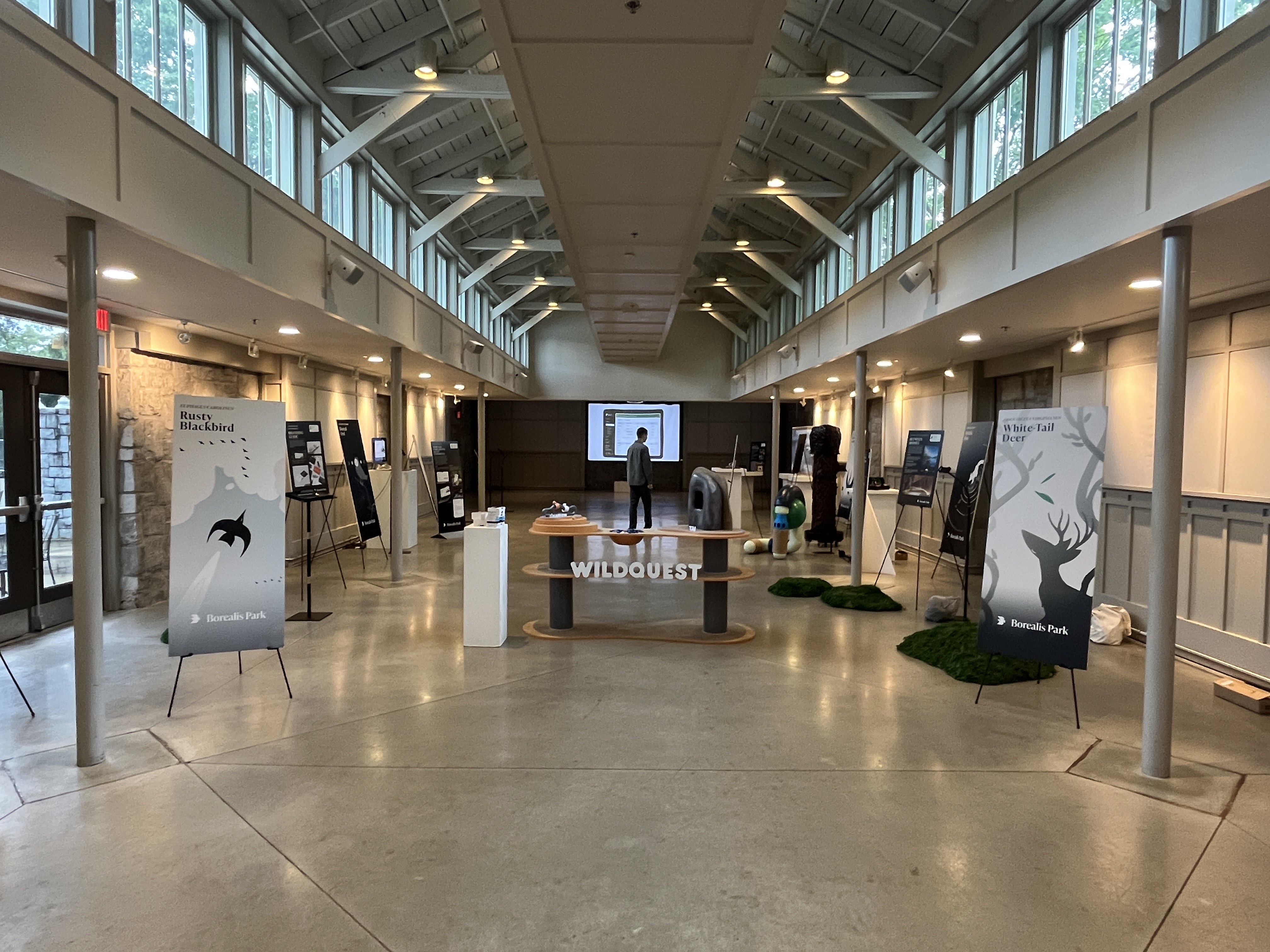
UX brand design for a zoo that was presented physically at the SCAD 2025 Senior Show. I was the branding lead for this multi-quarter assignment, our senior class 2025 capstone project.

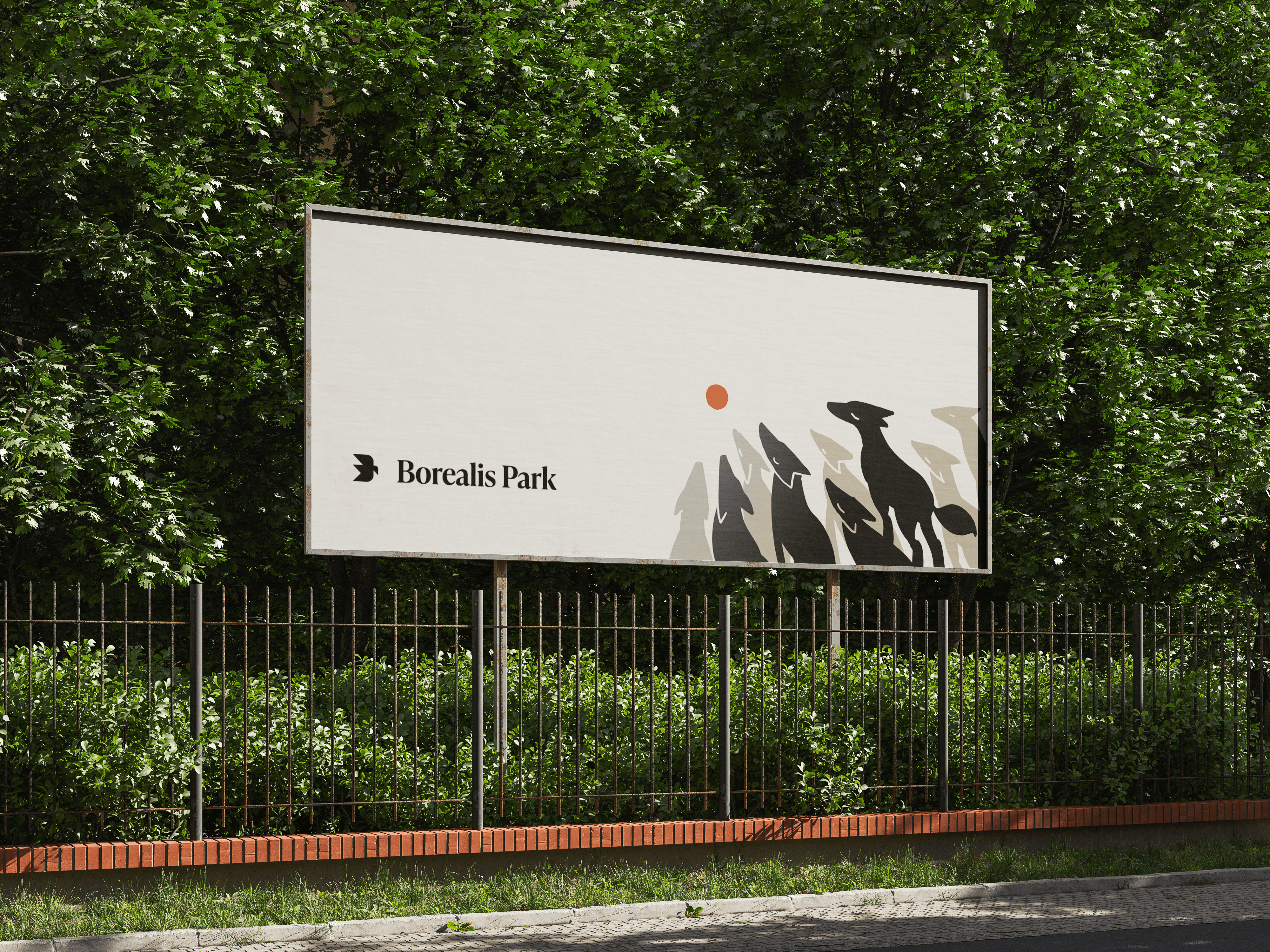
Some of the logo explorations
Melody Wu, SCAD Valedictorian 2024
"I saw your signage from far away and they inspired a lot of curiosity. Your branding was easily the highlight of the show."
Lane Kinkade, UX Professor
"The senior show wouldn't have been as great without Nathan's branding."
Matthew Taylor, Senior Designer at Veeva
"Props. The logo looks great. The brand you designed feels elevated."
Overview
Borealis Wildlife Park was the capstone project of SCAD Atlanta's 2025 graduating UX class. Our team consisted of 9 UX Designers and 3 IDUS Designers, as well as 1 Professor. The 10-week design sprint was preceded by a 10-week research sprint which decided the direction of the project.
Time Frame
2025 | 20 Weeks
Objective
Design a zoo brand based on prior research that could convey thoughtfulness, care, and intrigue.
My Roles
Solo Project: Branding/Illustration Lead, Research, Prototyping, User Testing
Led and communicated with multiple other designers to ensure consistency across the brand.
Designed/printed posters, signage, illustrations, stamps, show passports, systems, a physical brand book, and logos to create a unique style of zoo branding.
Designed systems for multiple brands simultaneously to be presented in the show.
Research
Our 10-week design sprint was preceded by a 10-week research sprint. The research team involved the entire class tackling different research subjects.
Sources Used
Past documented case studies
Online conversations
Articles
Videos/podcasts
Visits to zoos
Interviewed zoo staff
Investigated current industry solutions used in zoos
We discovered some common difficulties zoos faced. There were three problem statements we identified, but in this project I tackled one of them specifically.
Problem
Traditional exhibits don’t fully engage or educate visitors, leading to missed conservation messaging.
How Might We
How might we create brand messaging that conveys thoughtfulness, care, and intrigue?
Branding
Logo for Borealis Wildlife Park
A bird was chosen to represent freedom and provide a good contrast to the perception of zoos as claustrophobic tight spaces that contain captive animals.
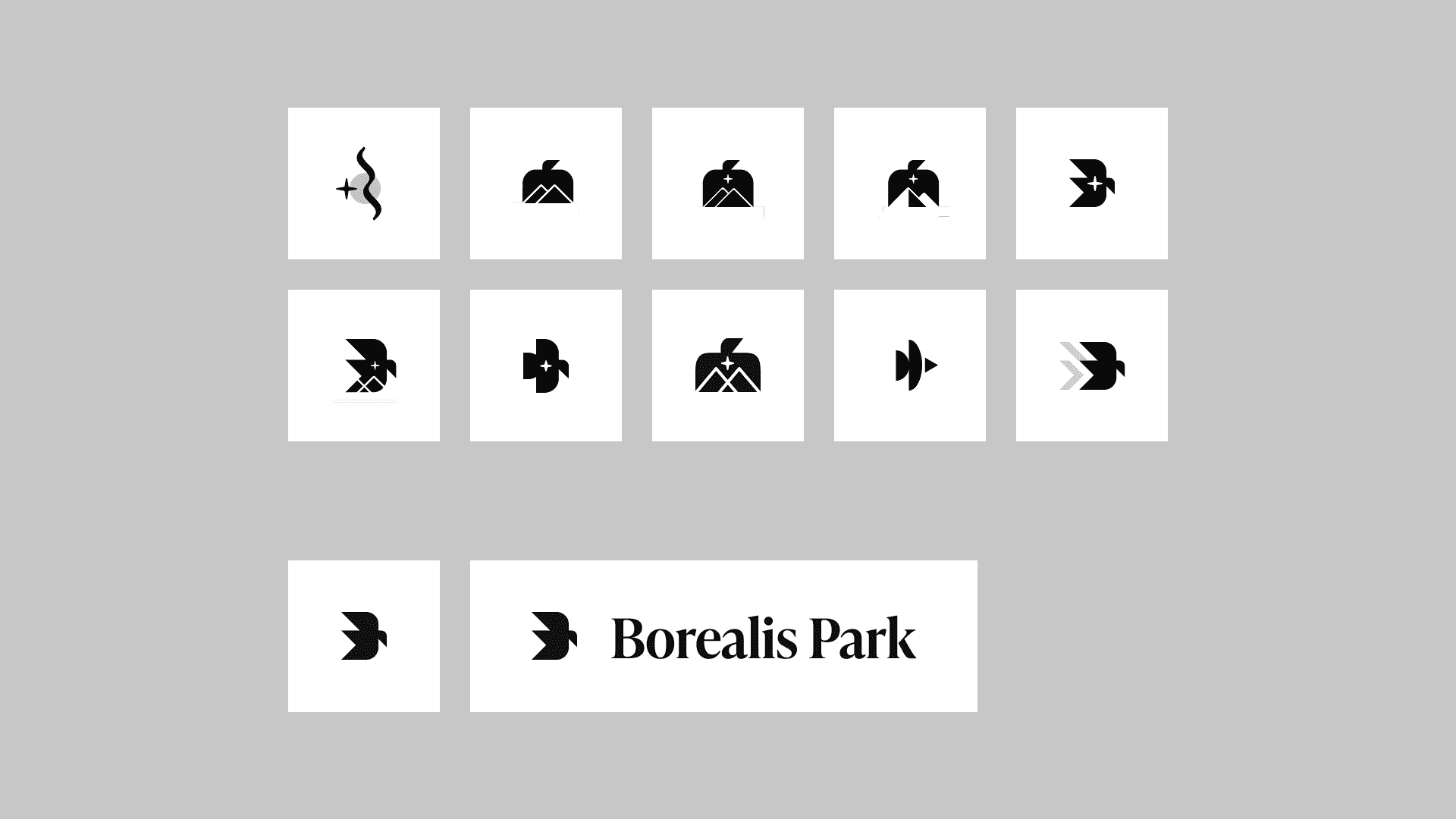
A selection of logo explorations. There were many more that aren't shown here.
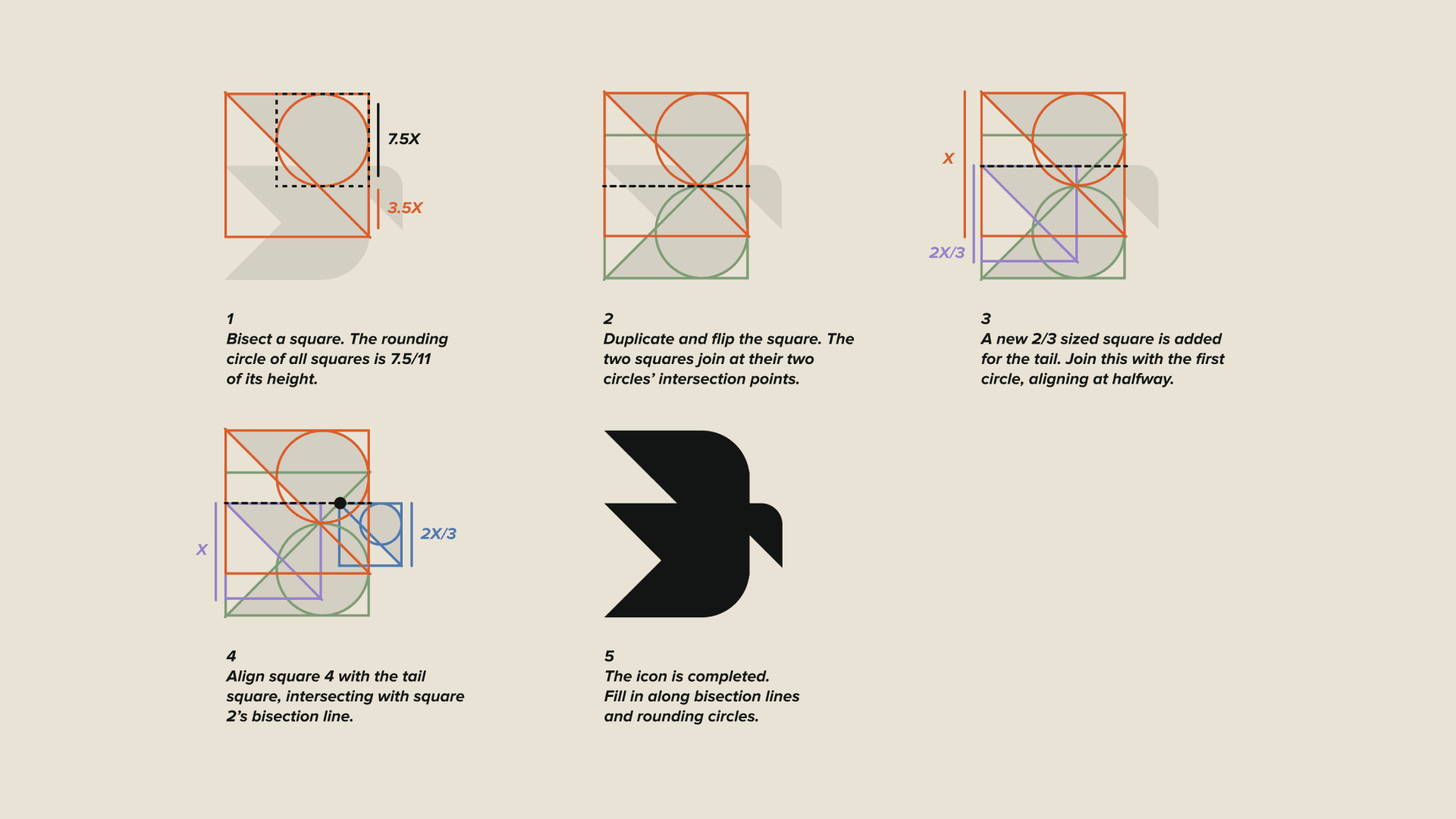
Icon contruction
Color Styles
The colors for the zoo brand were chosen to echo various elements of nature. We didn't want the zoo to appear sterile or overly technological. However, we also wanted to move away from overly green color schemes, which many zoos tend to overutilize.
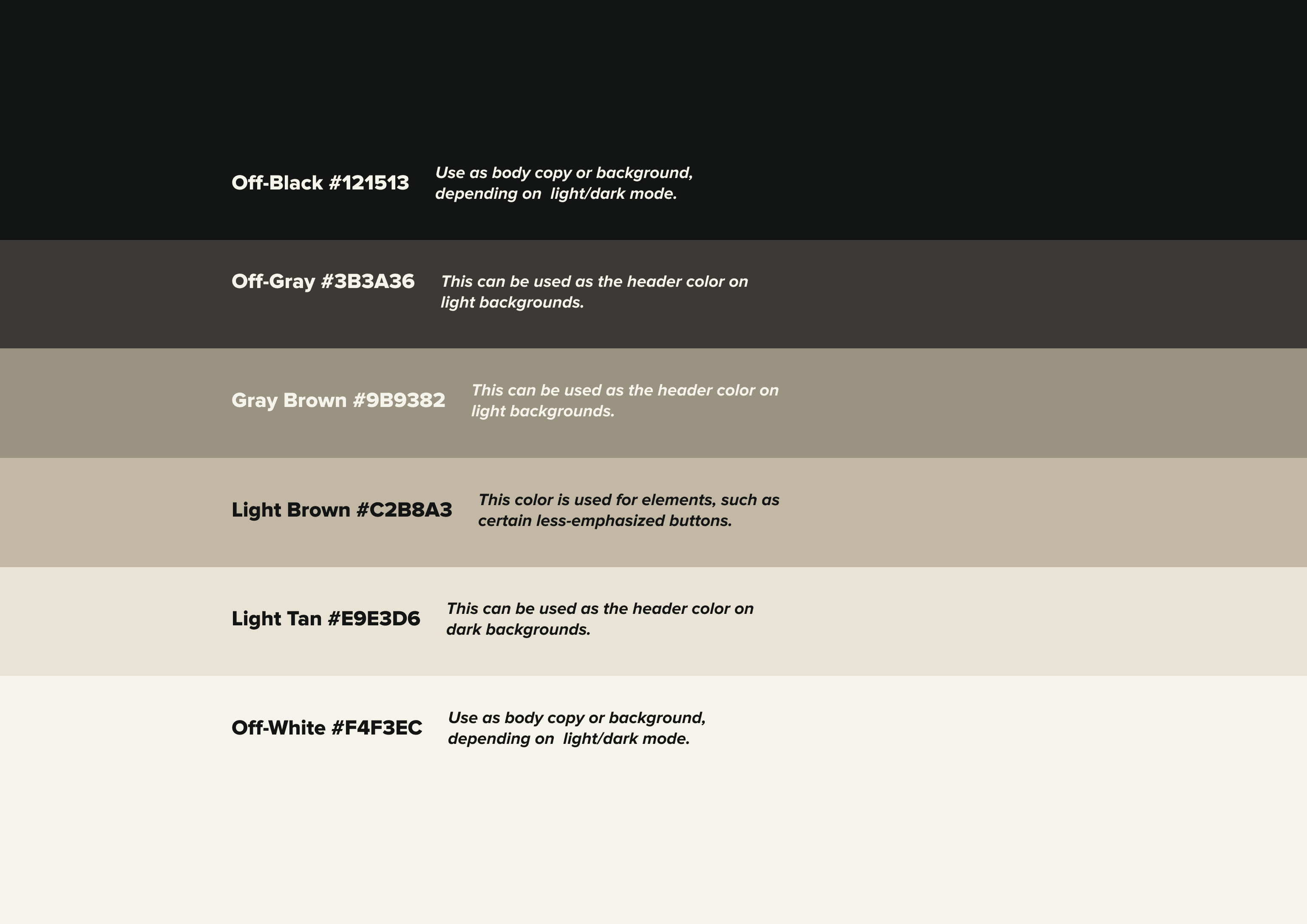
Neutral colors
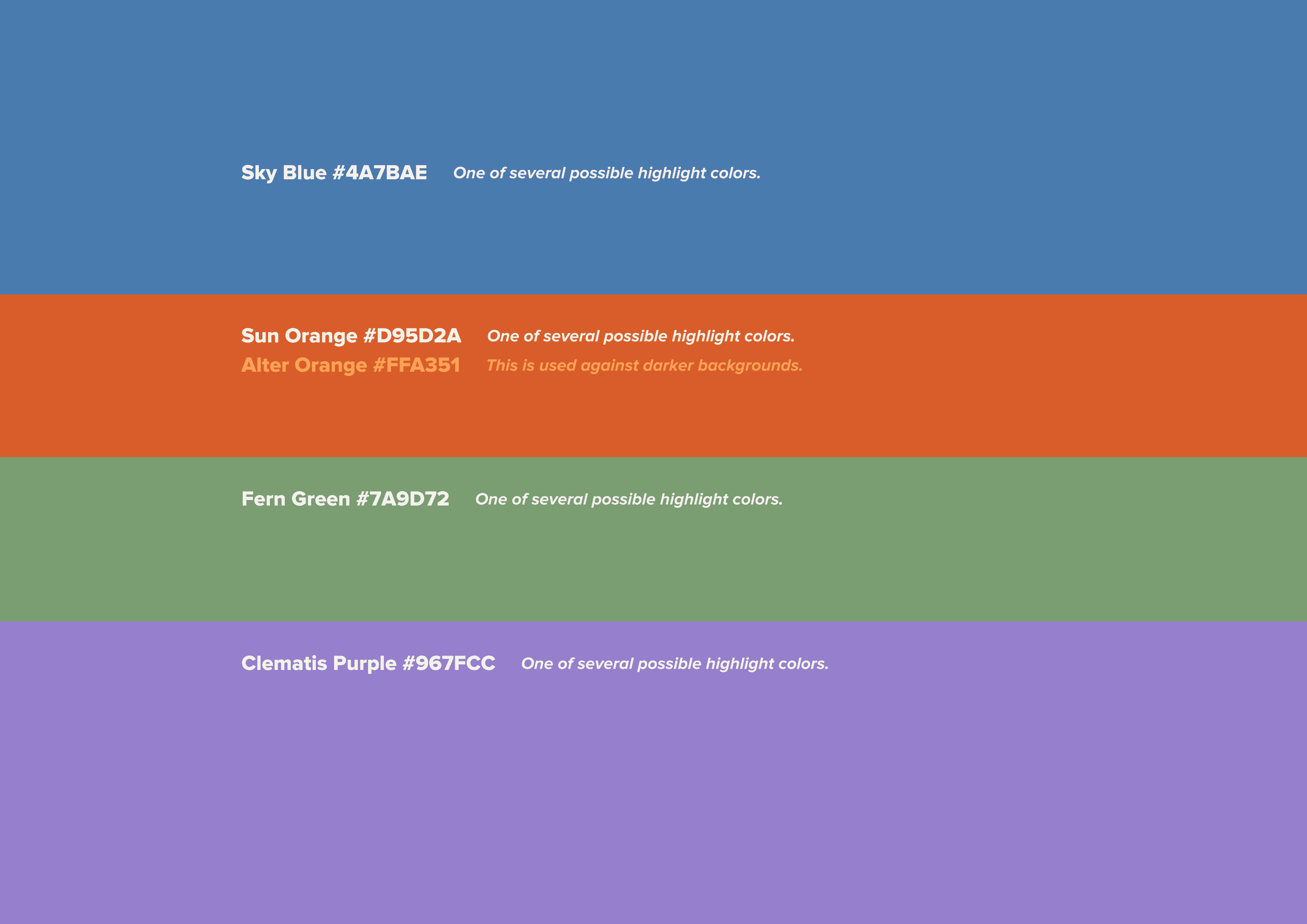
Highlight colors
Typography
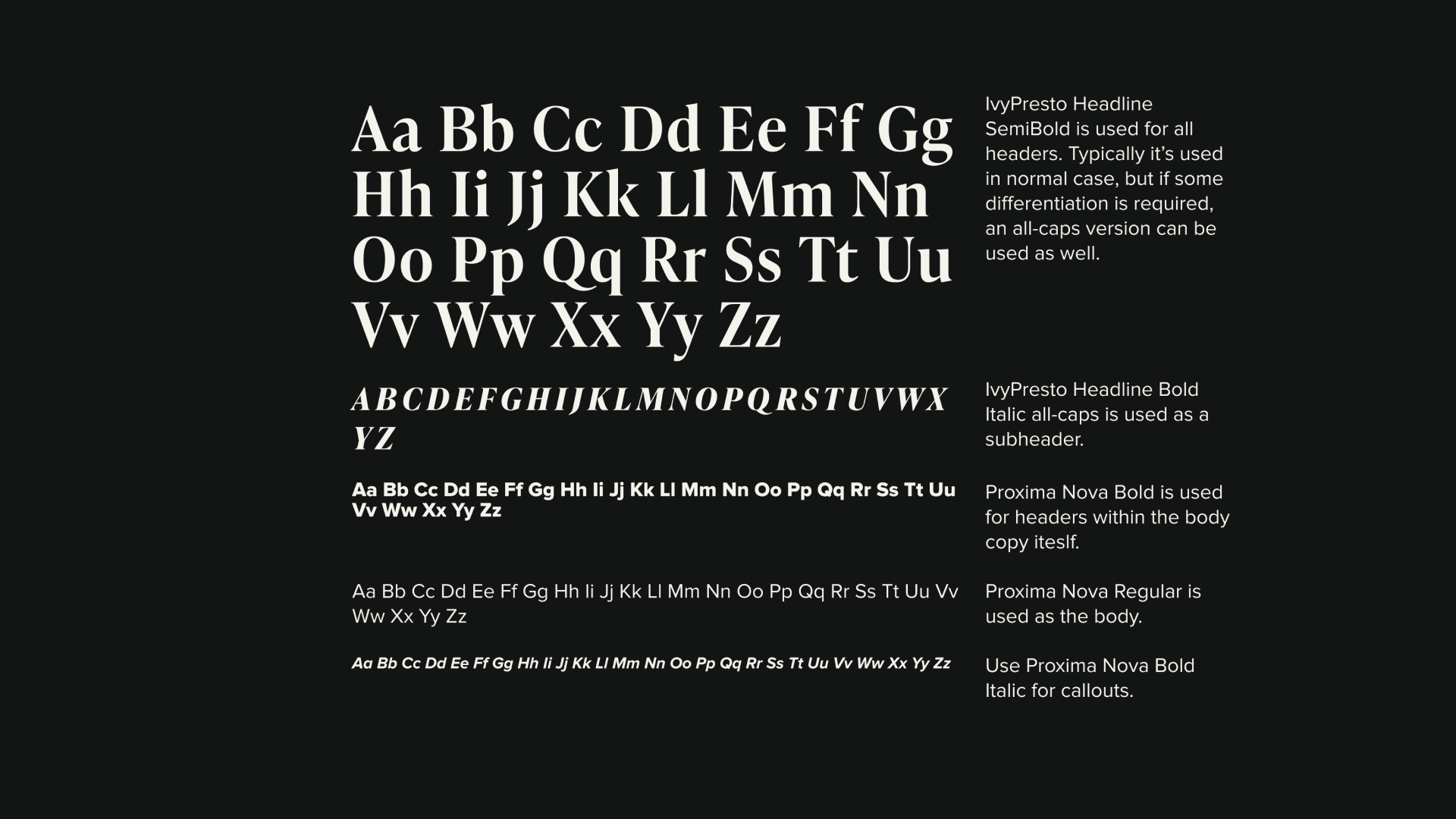
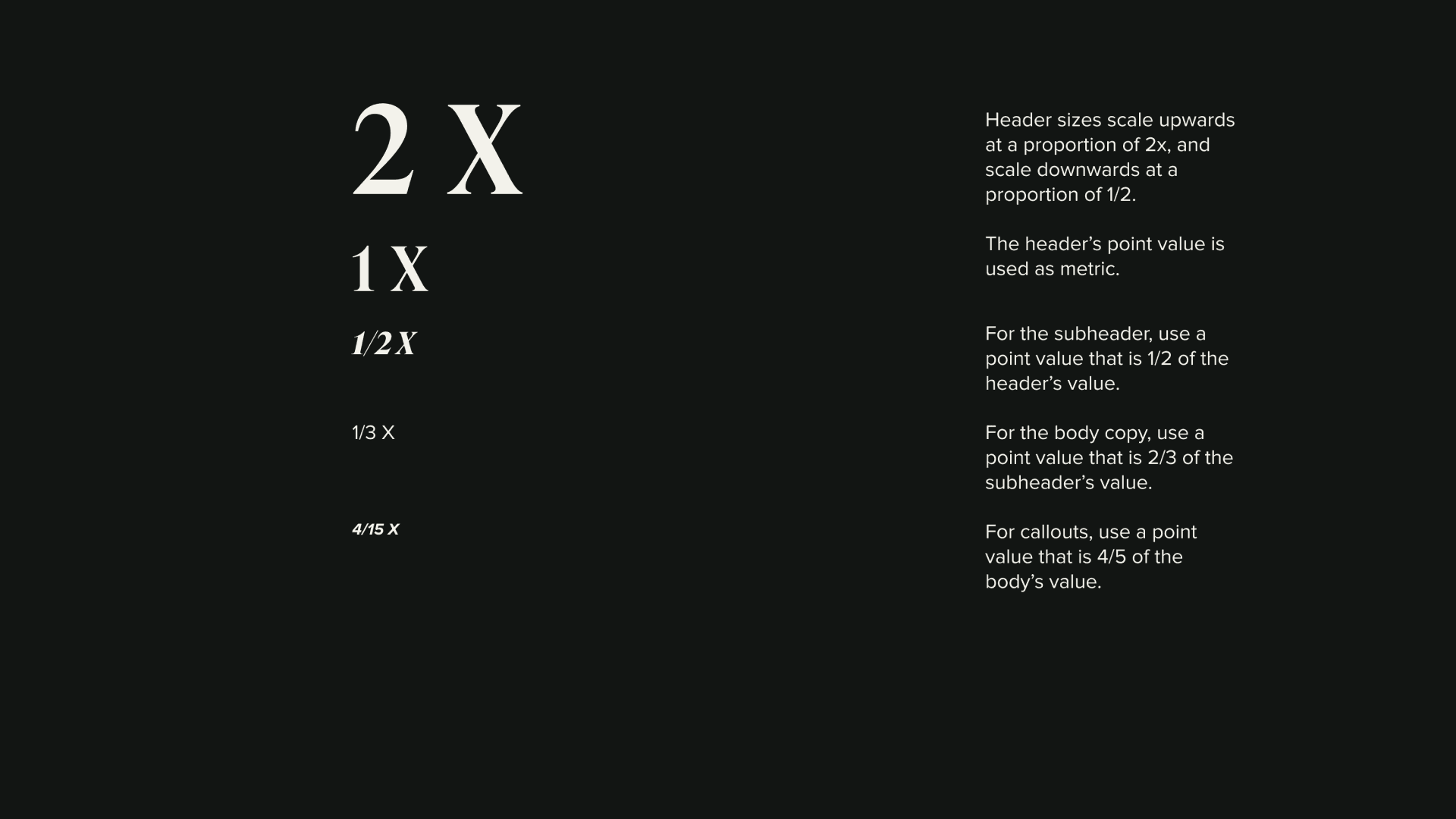
For the typography, we used a mixture of serif and sans-serif. We wanted to preserve the idea of thoughtfulness and care provided by serif fonts, but we wanted to balance it with some organic natural shapes provided by sans-serif fonts. We also determined a system of ratios to be used for type scaling.
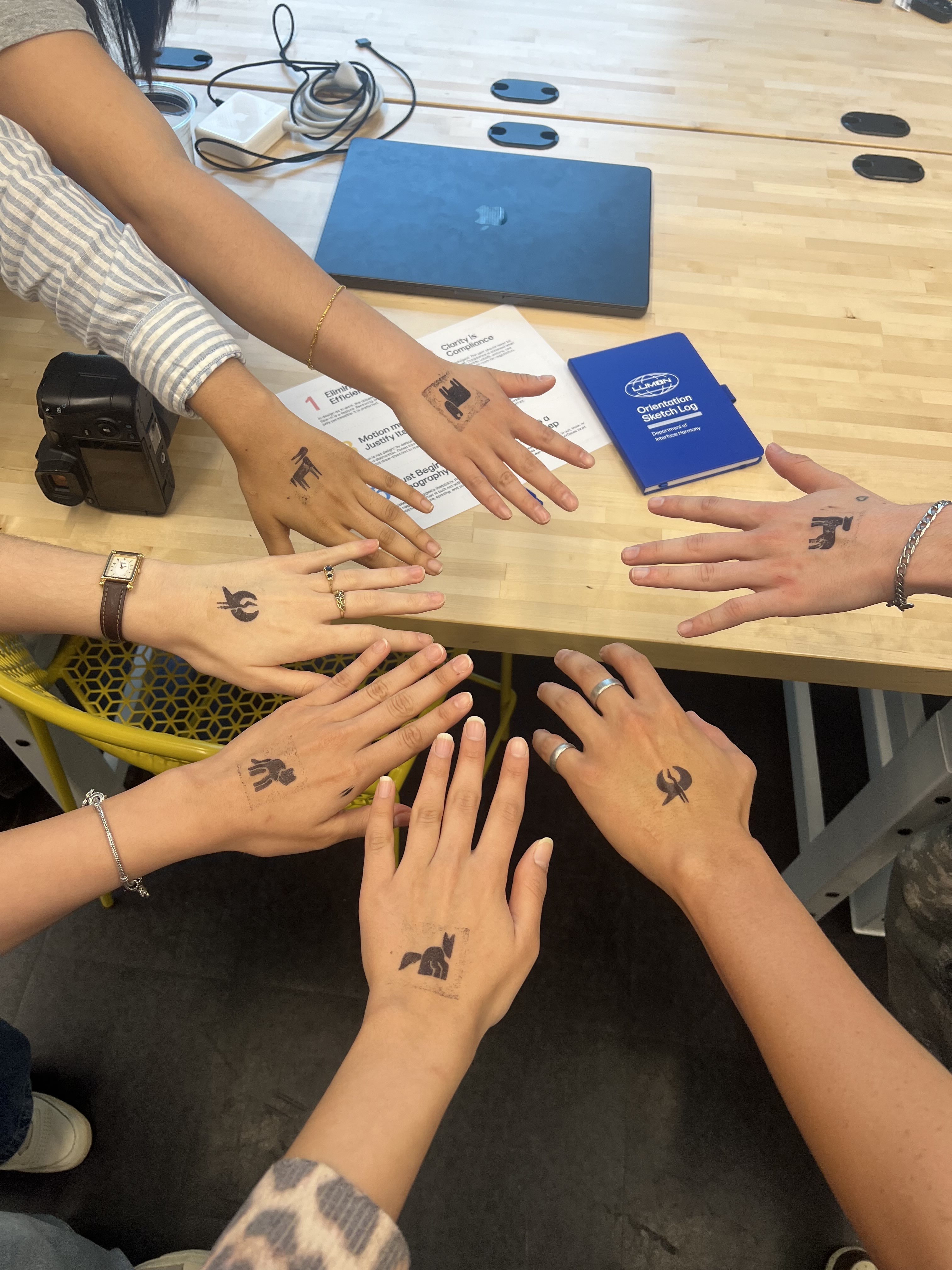
Ink stamps for each station
Ink stamps for each station
Brand Book
There were many other rules and guidelines for our brand, the full list of which includes but is not limited to:
Logo and icon
Clearspace guidelines
Colors
Color proportions
Fonts
Font scaling
Design ethos
Type lockups
Examples of dos and don'ts
Illustration style
Icons
Photography use
All of these were put into the branding guide, which was also displayed in physical format at the senior show.
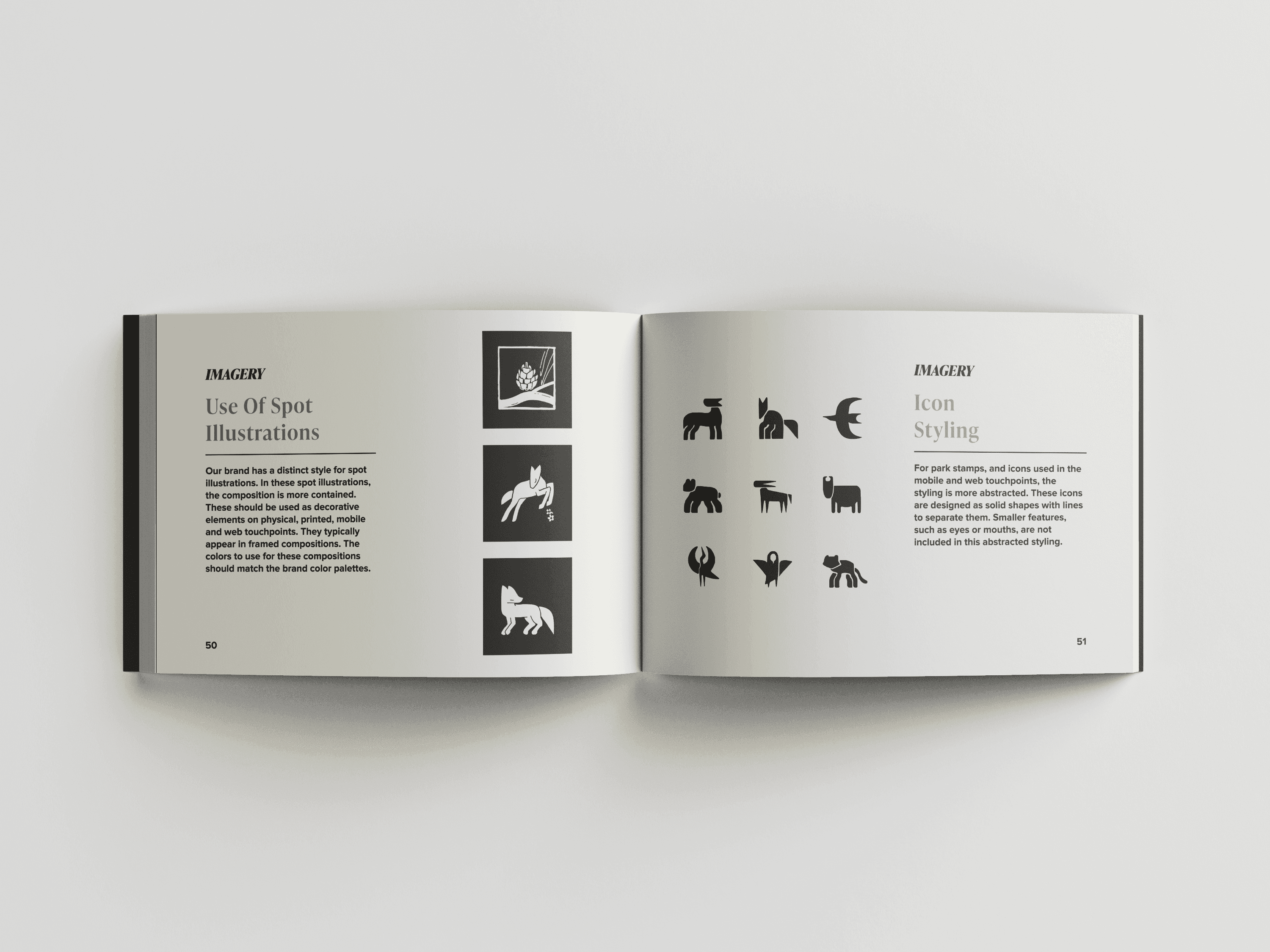
Spread from branding guide
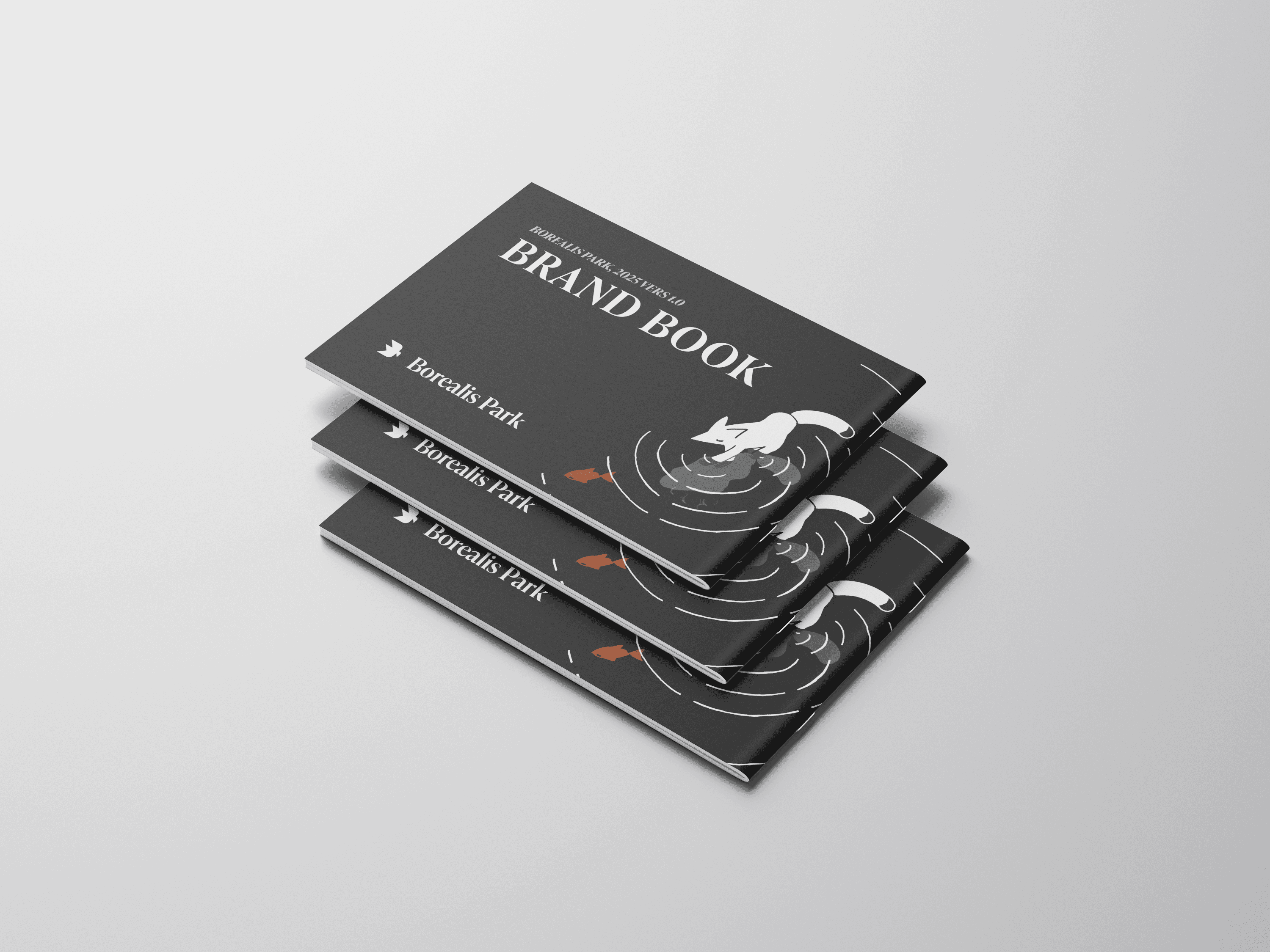
Branding guides in a mockup
Illustration
I also provided illustrations for the brand signage. Illustrations were used in multiple touchpoints, such as in show signage, on explanatory posters, in the app and website, and on some exhibits for specific use-cases. In all these instances I communicated with designers to ensure that the illustrations could coherently cooperate with the telling of their stories.
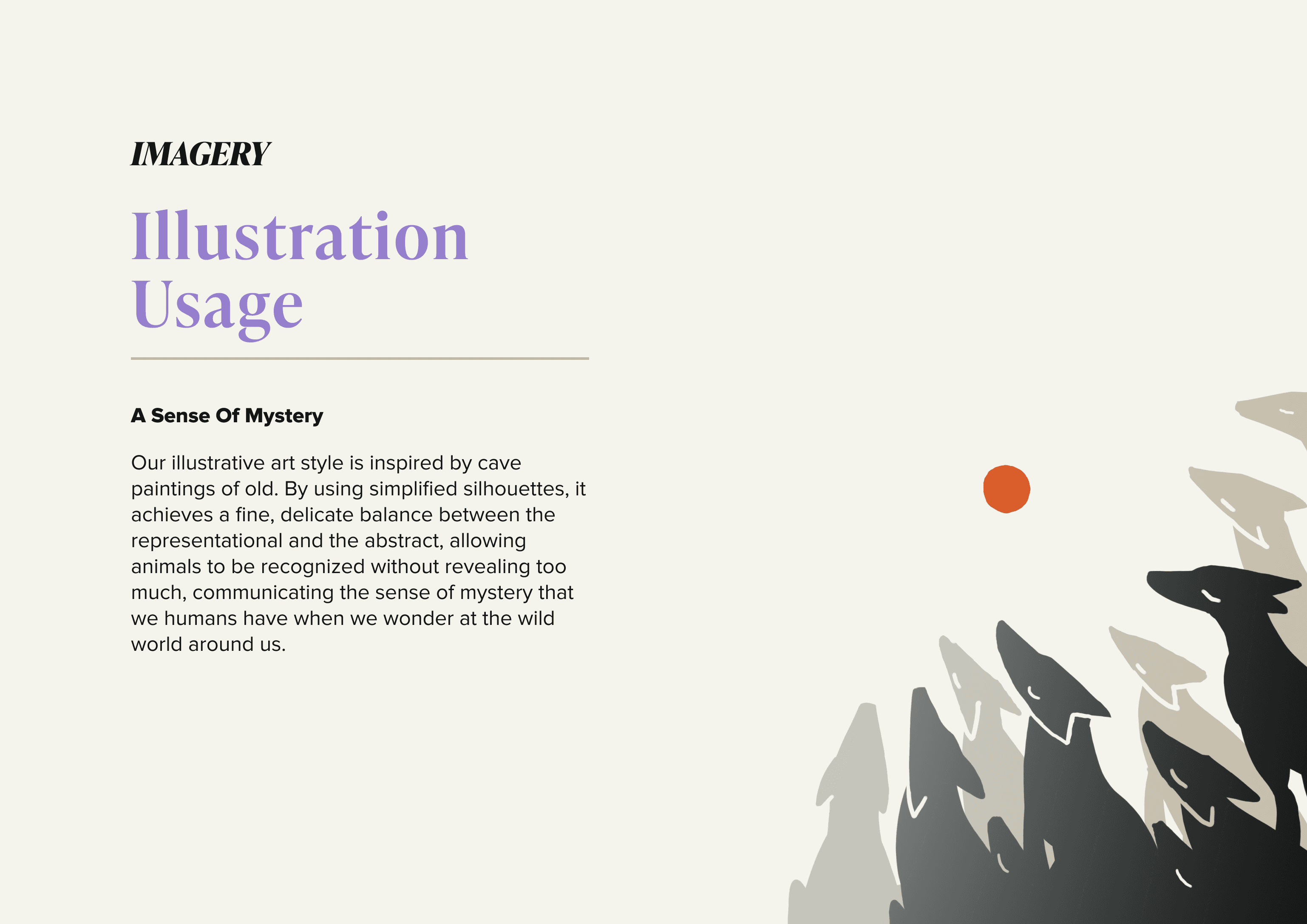
Illustration use as explained in the brand book
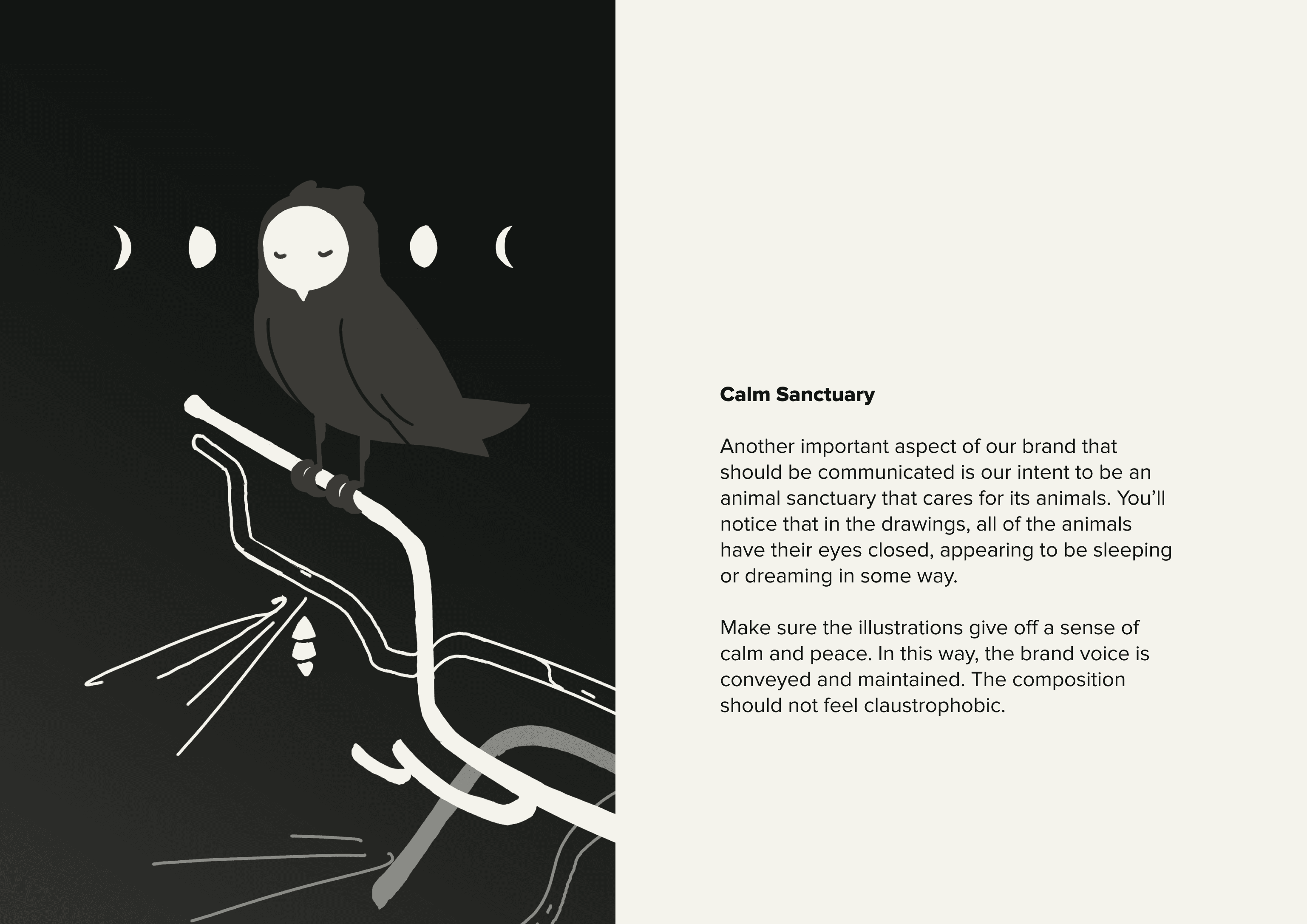
Illustration use as explained in the brand book
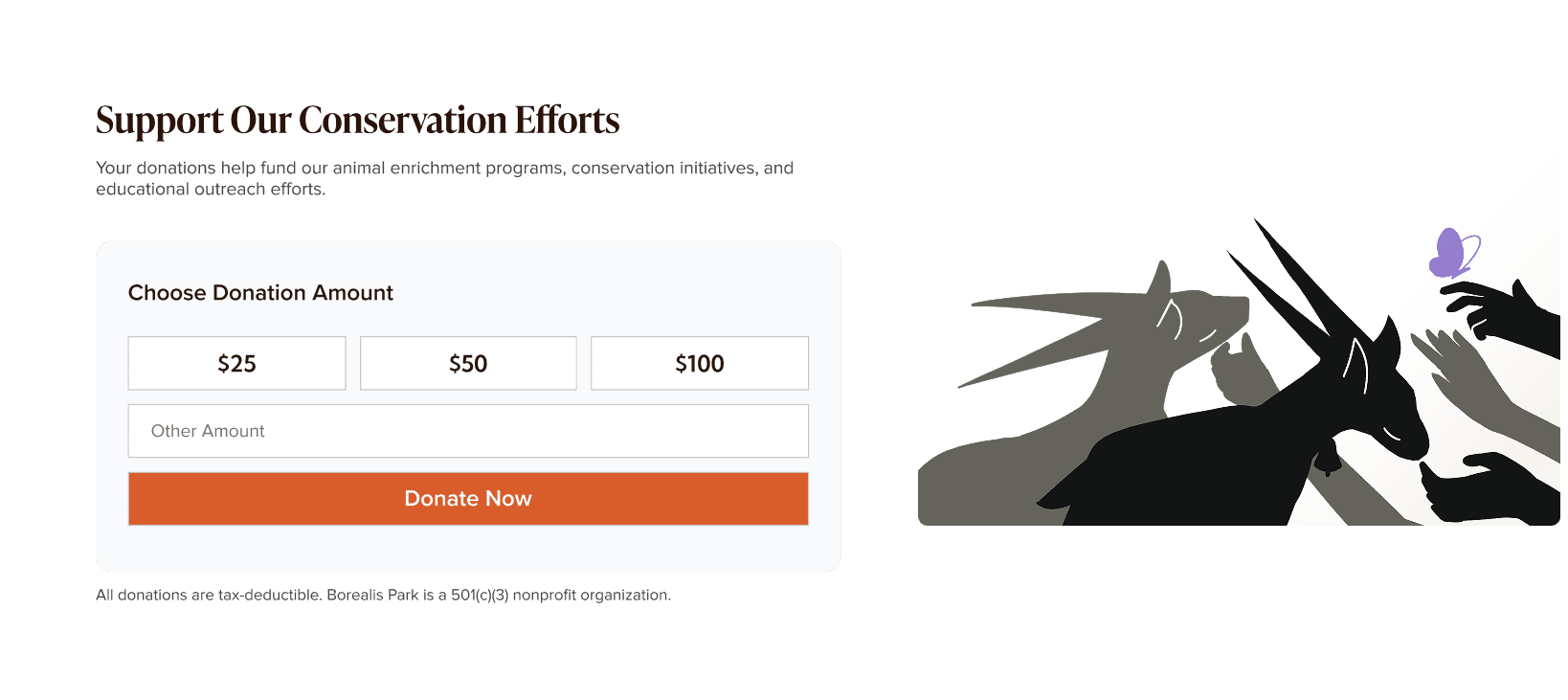
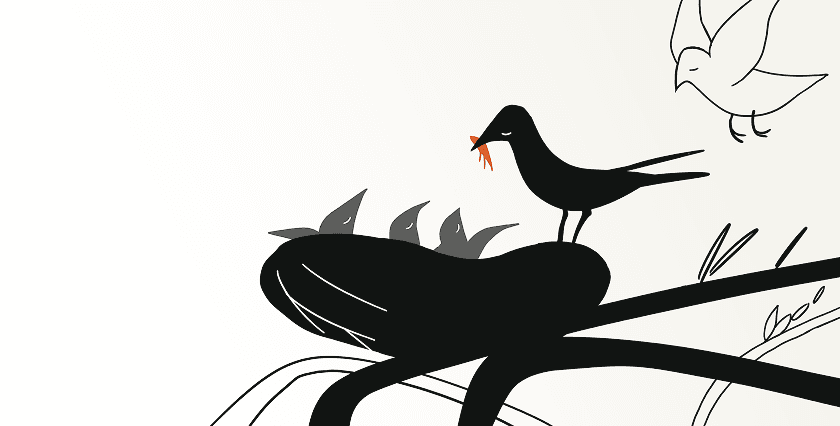
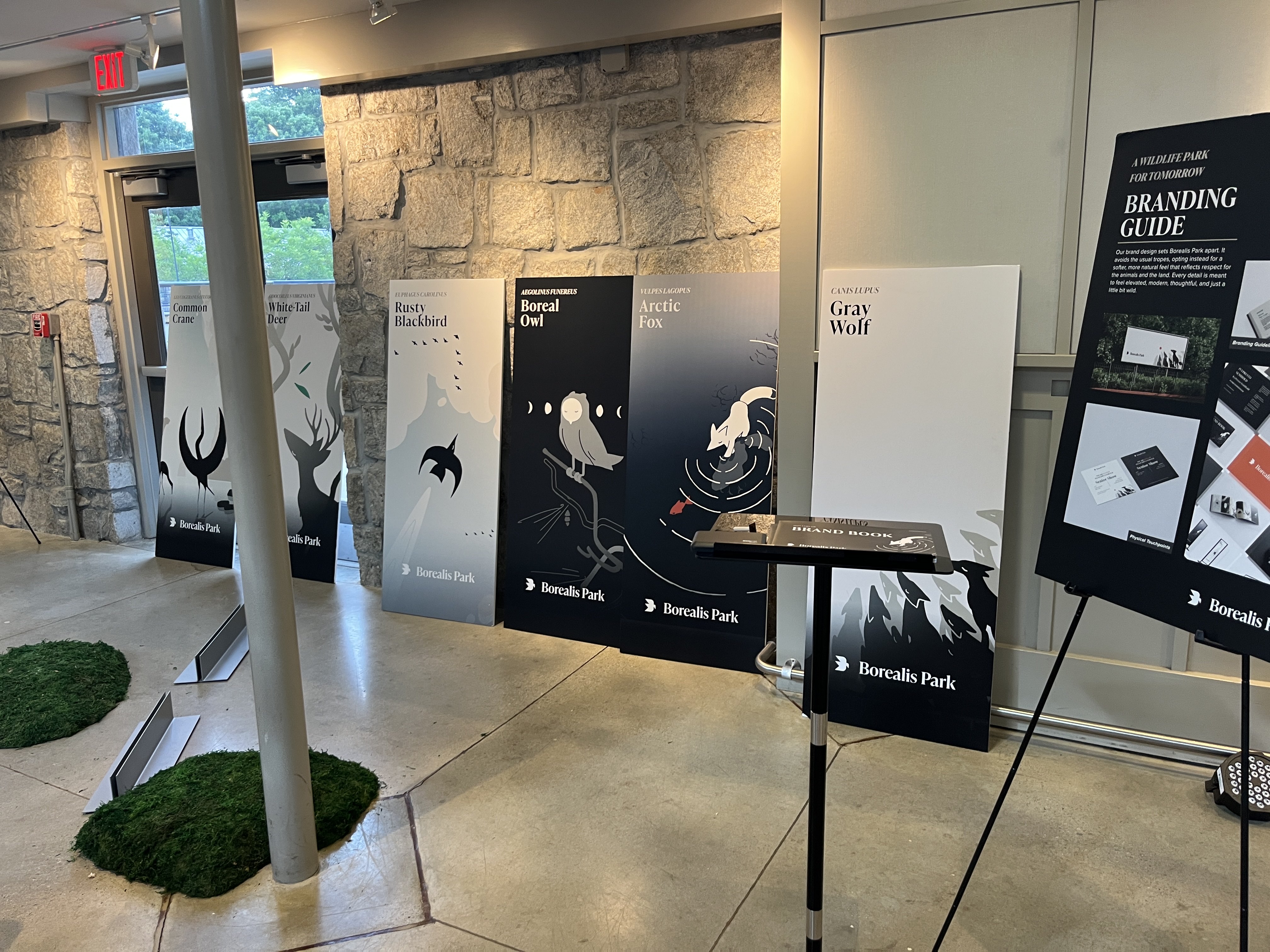
Illustration signage awaiting setup
Show Signage
For the show, we also needed explanatory posters for all of our 9 stations. The posters needed to be modular so other designers could create their own versions, while also having room for the designers' contact info cards.
I established guidelines for type, margins, gutters, layouts, etc that the other designers could follow so our branding could be coherent.
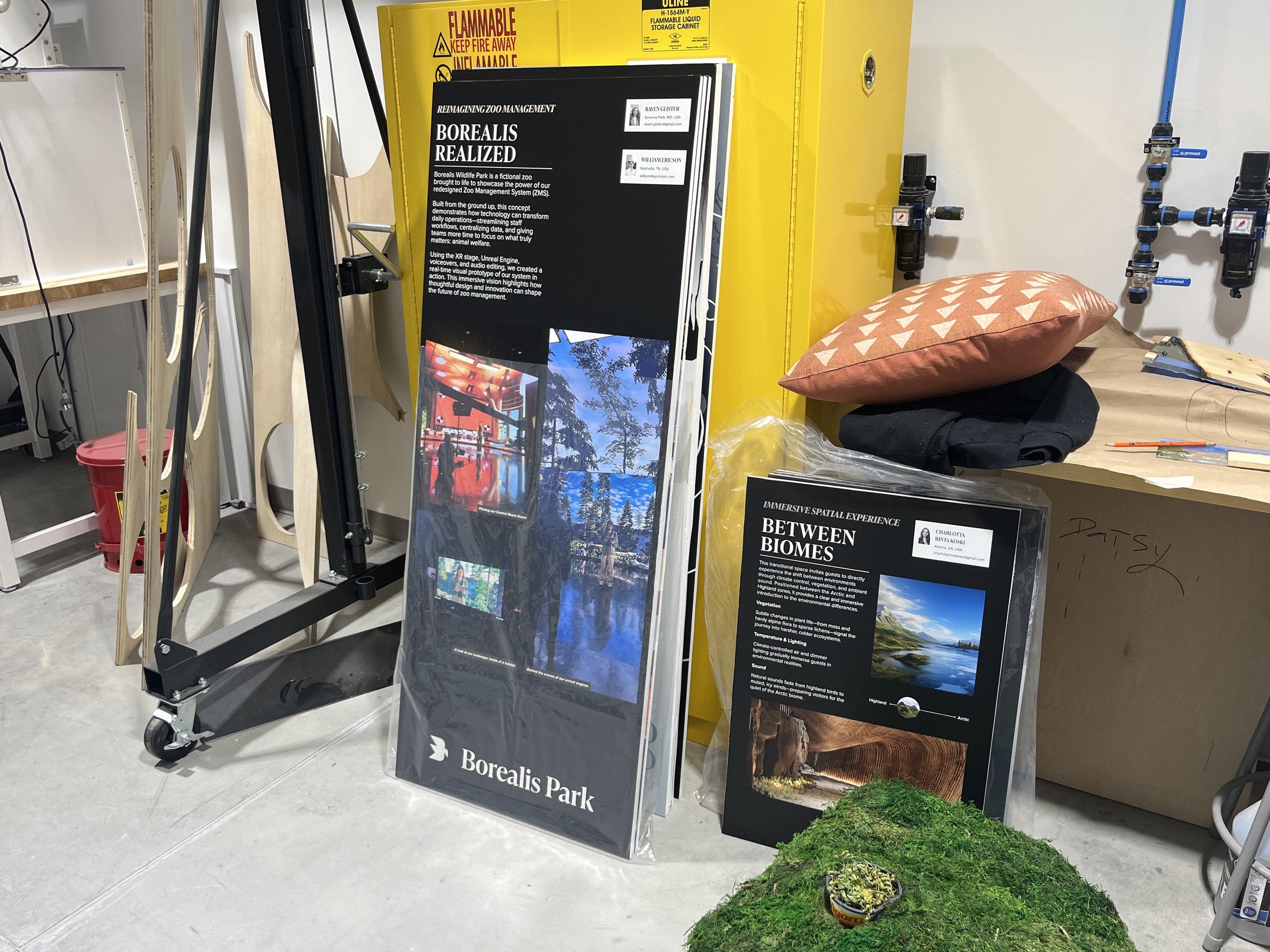
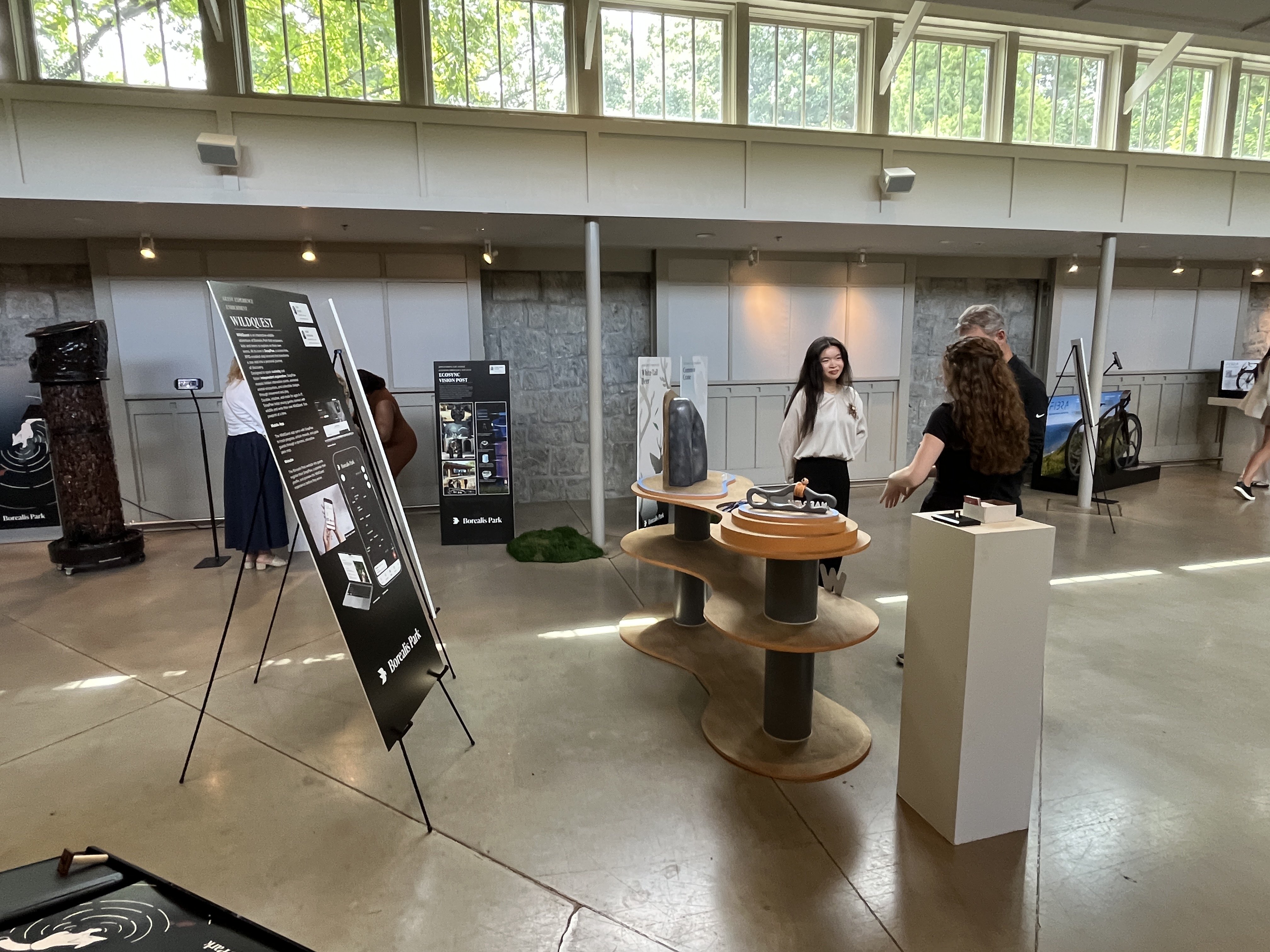
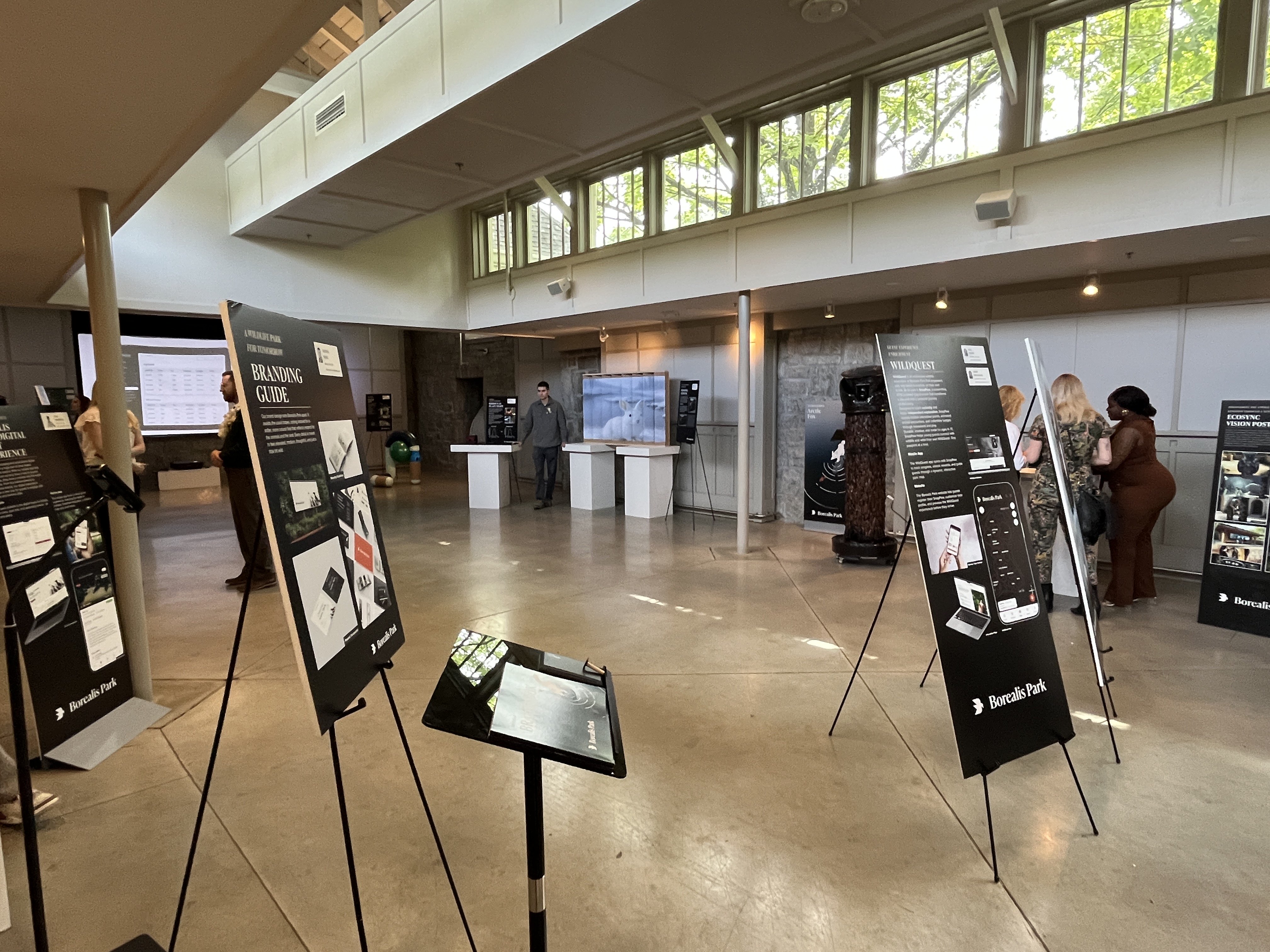
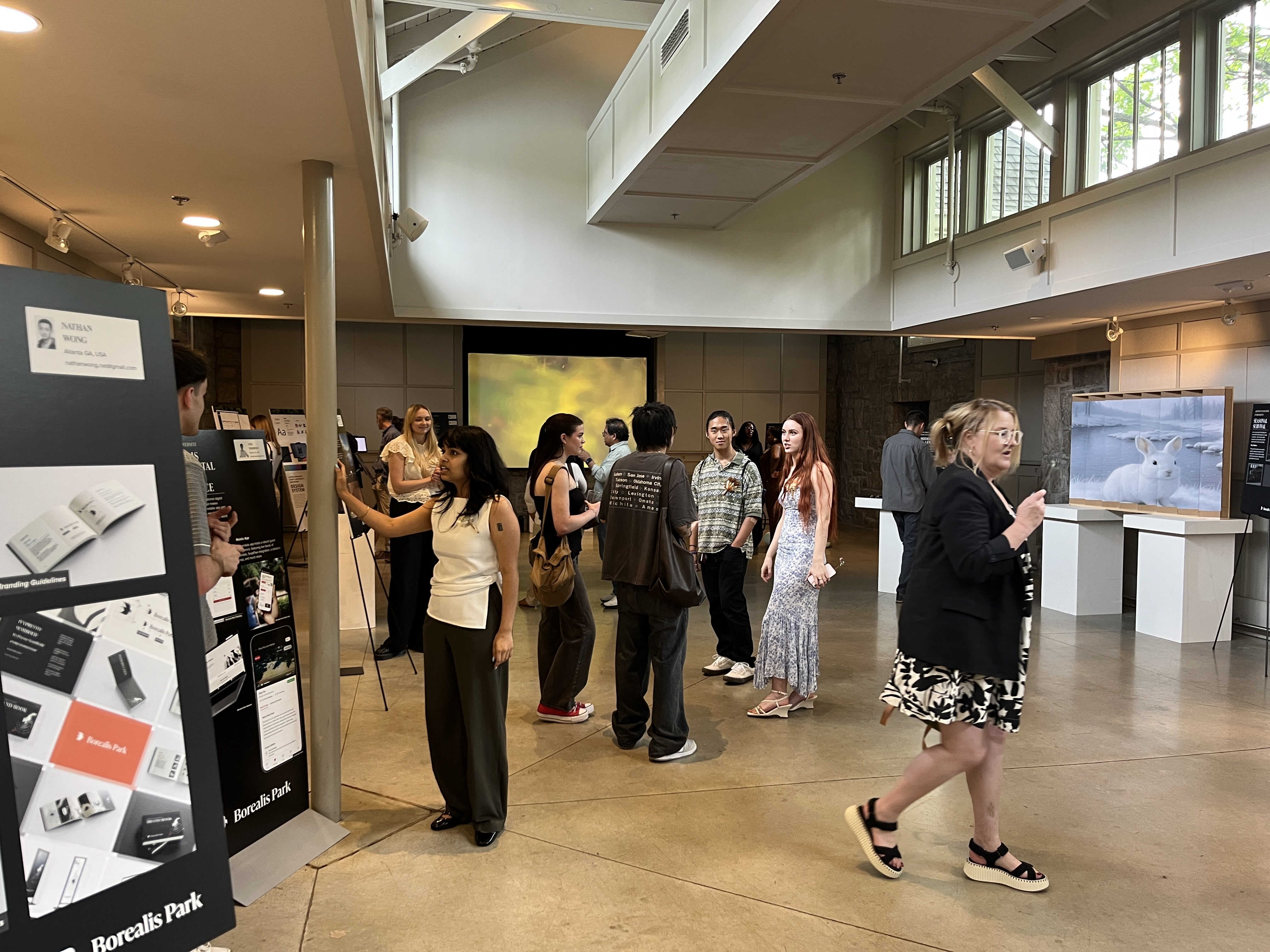
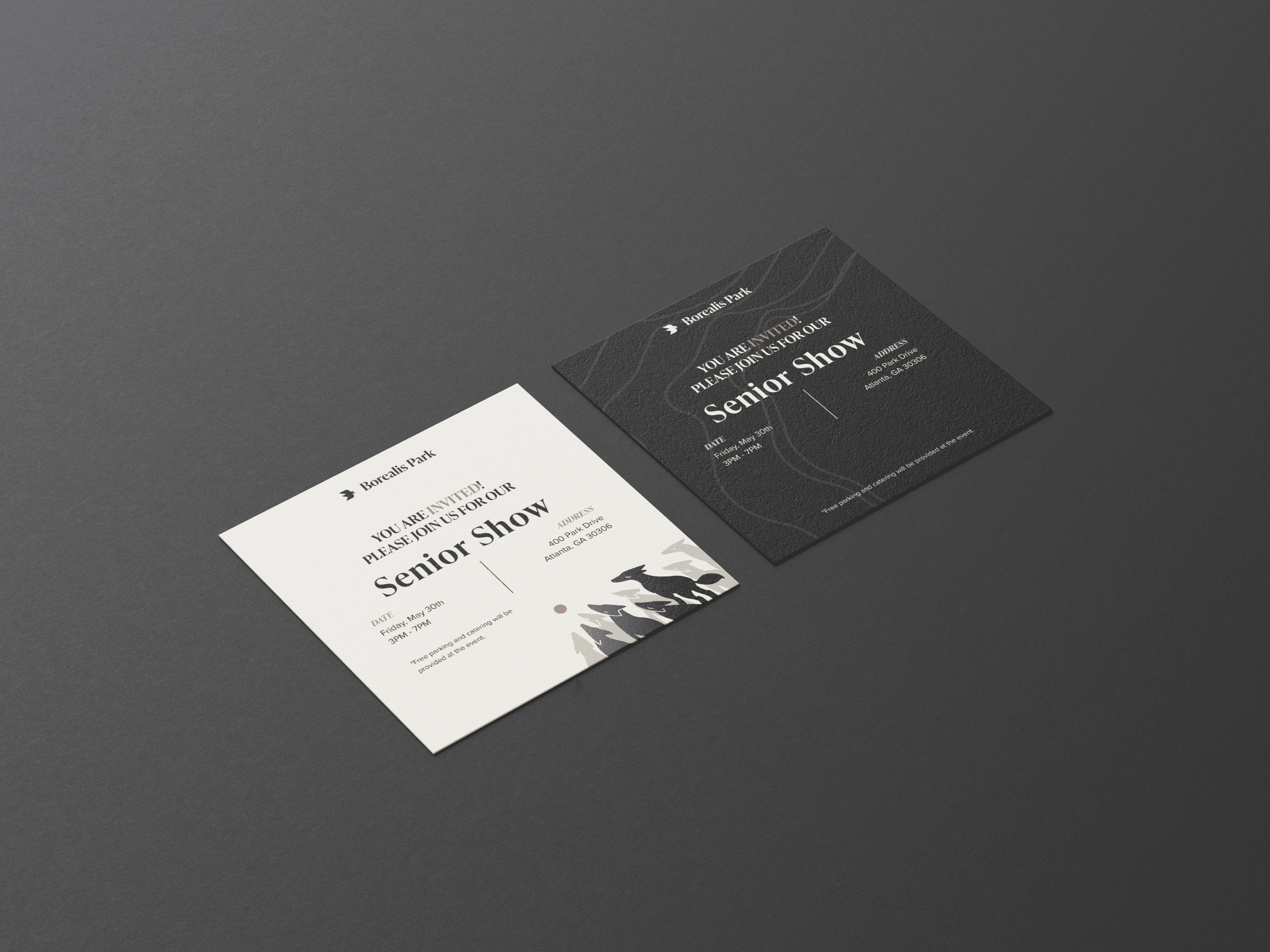
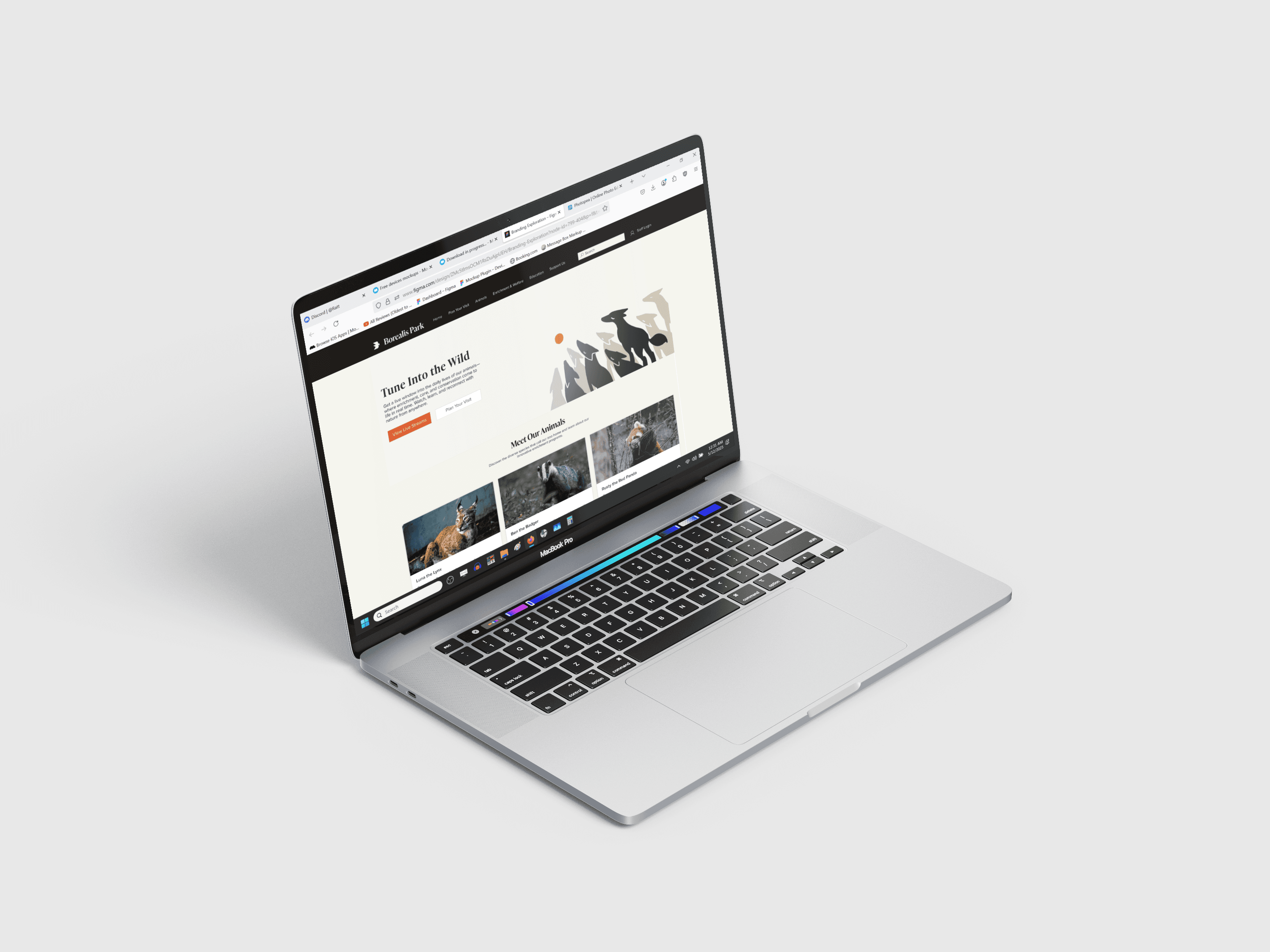
There were a lot of other touchpoints I worked on that are not covered here, including the passport/stamps, the website, the app, the invites, and the senior show signage.
Takeaways
I am thankful to have been given the role I had in this project. There were many moments during both the research and design sprint when we were unsure about a great many things, but we used our design methods and kept iterating. In the end, I got a chance to do something really fun. It was a great honor to be able to have such a big impact on our graduating project, but it was a team effort ultimately that enabled the senior show's success.