GAME UI REDESIGN
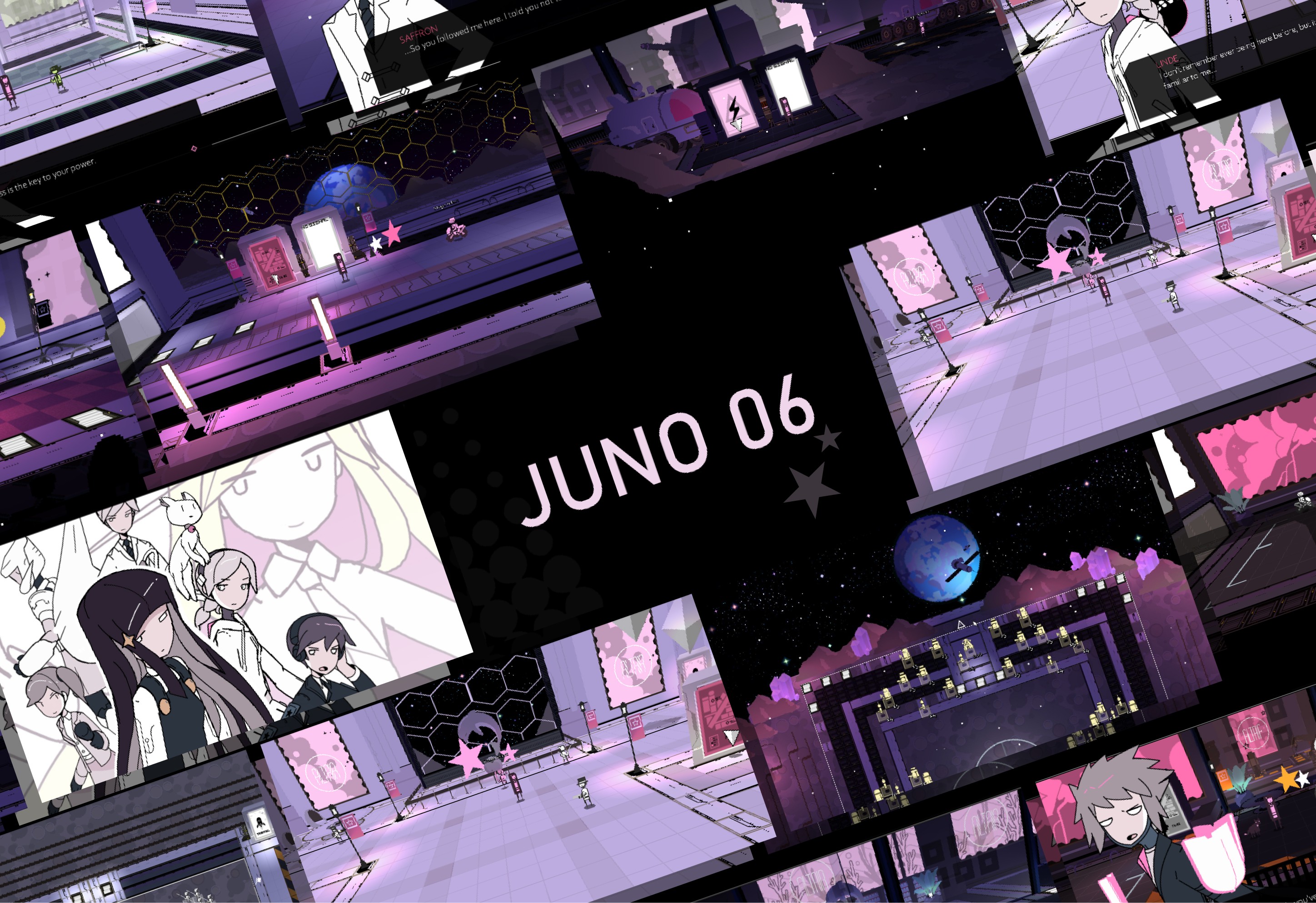
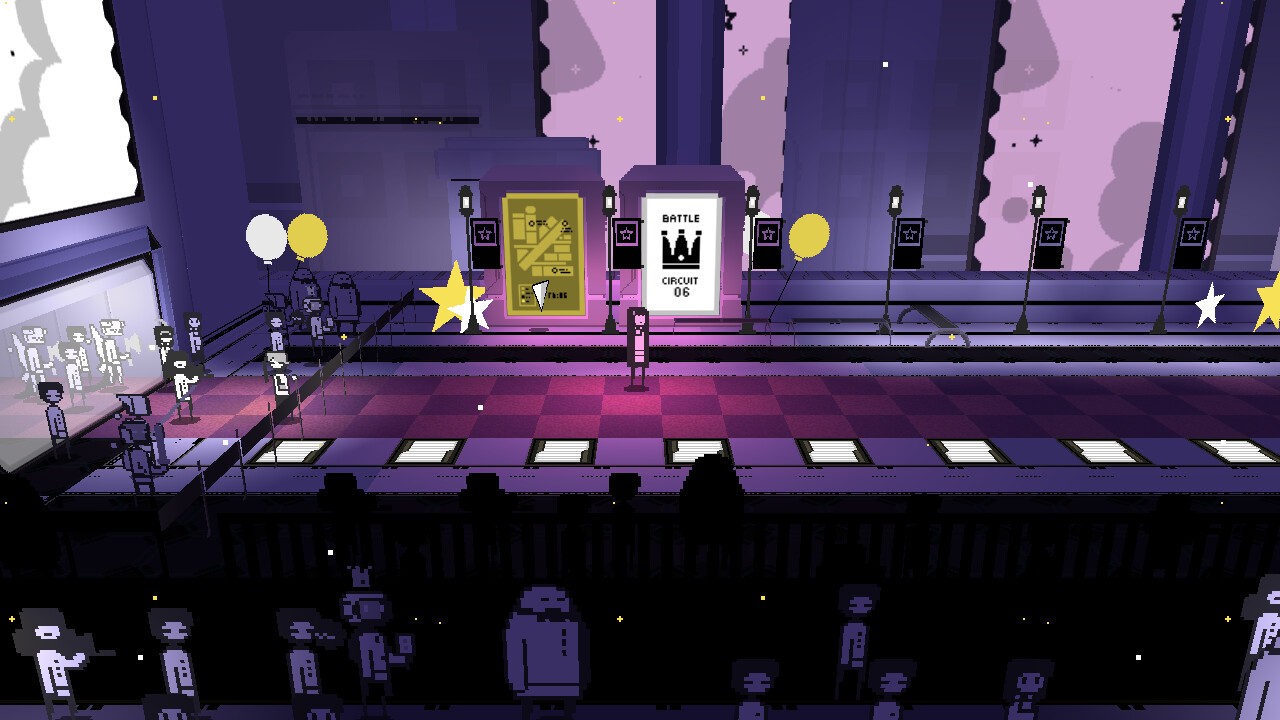
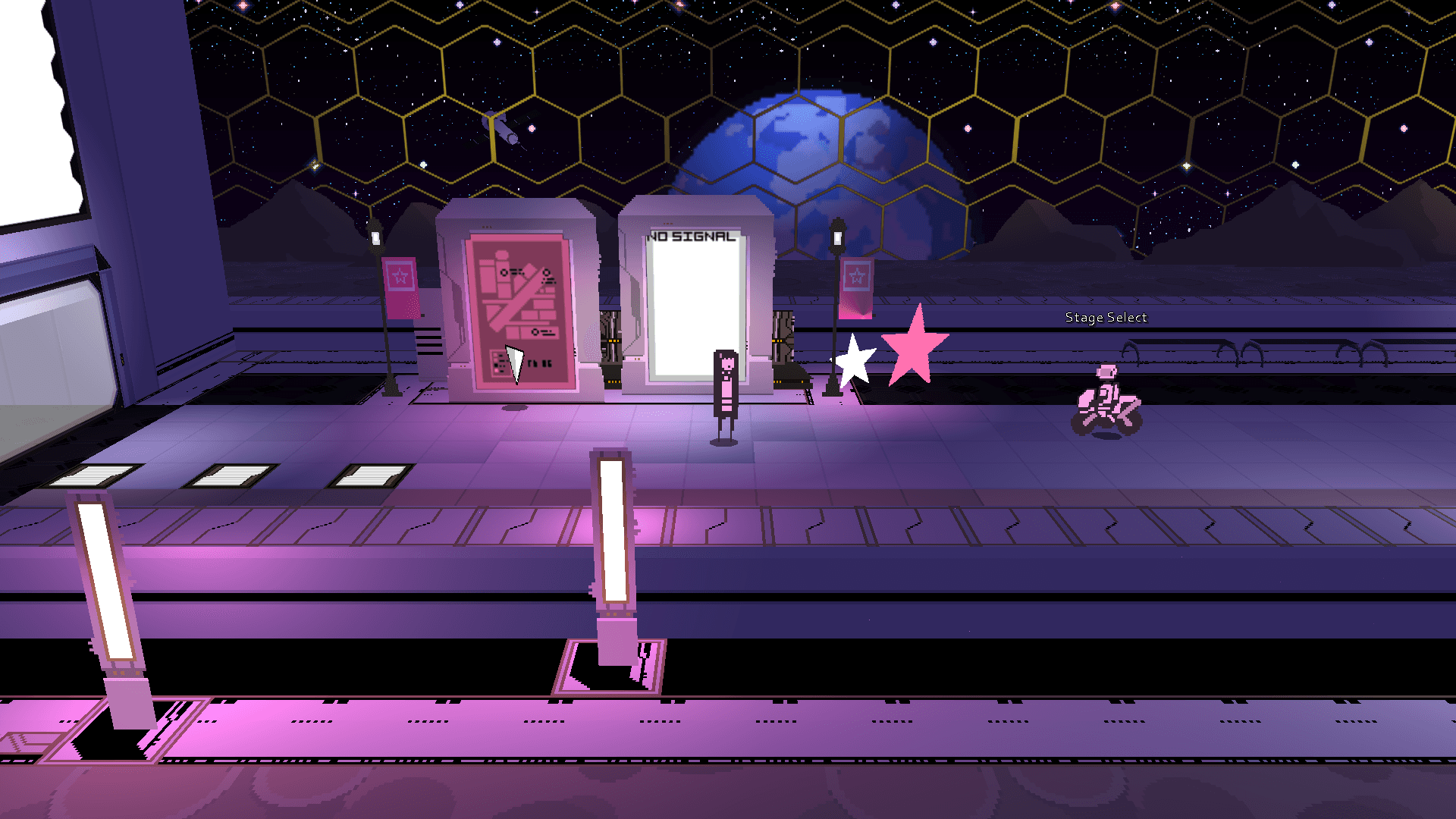
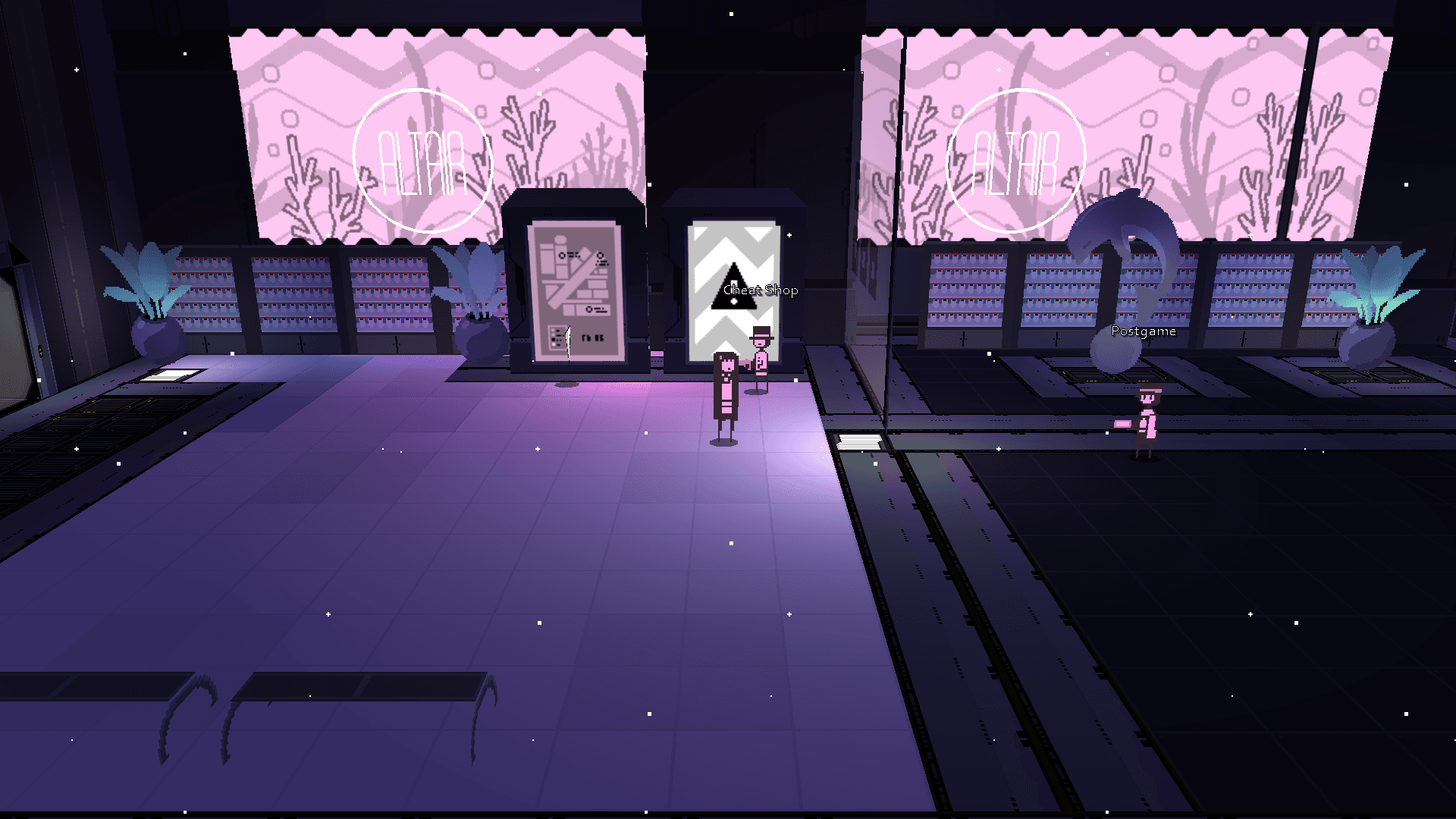
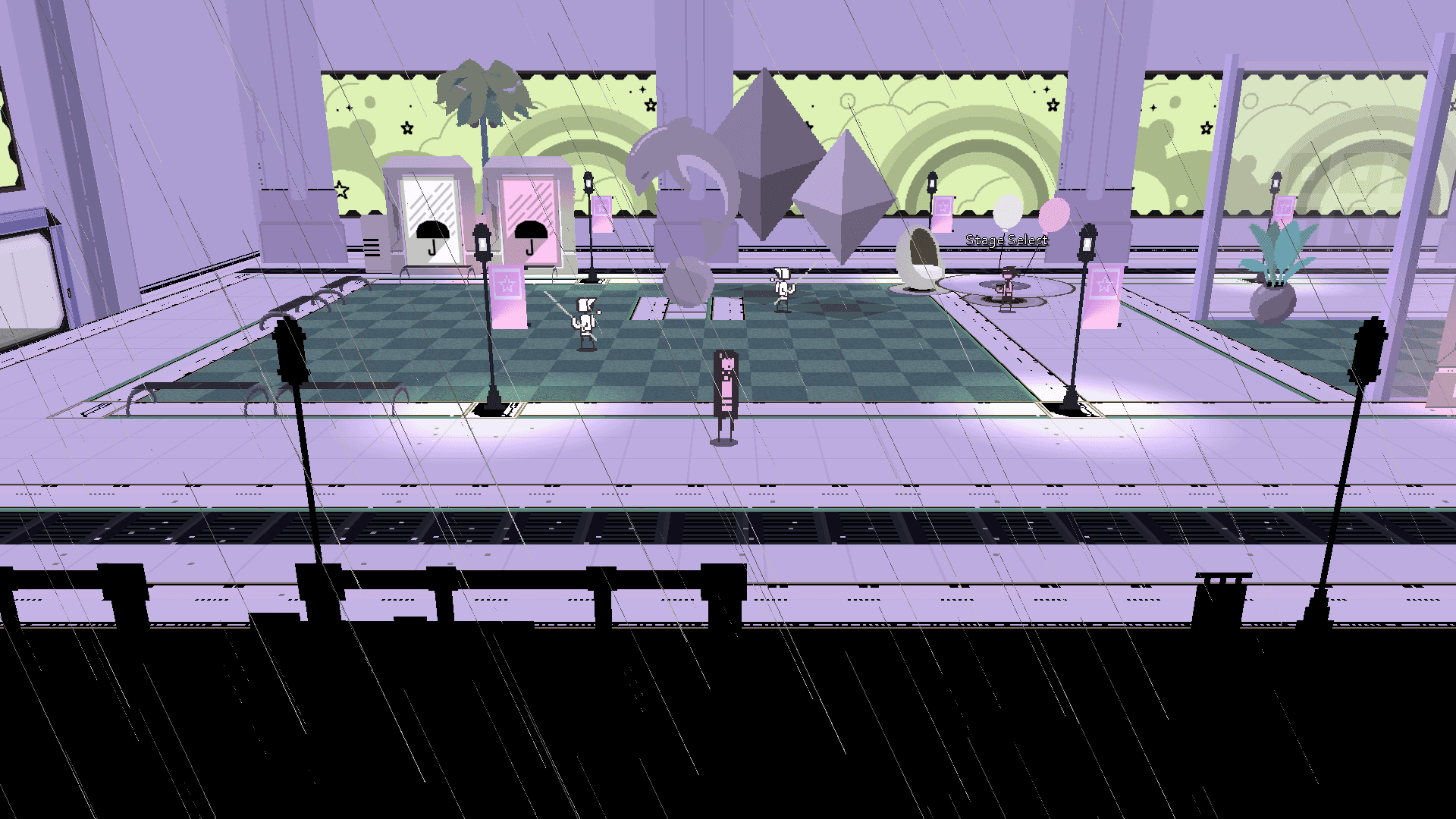
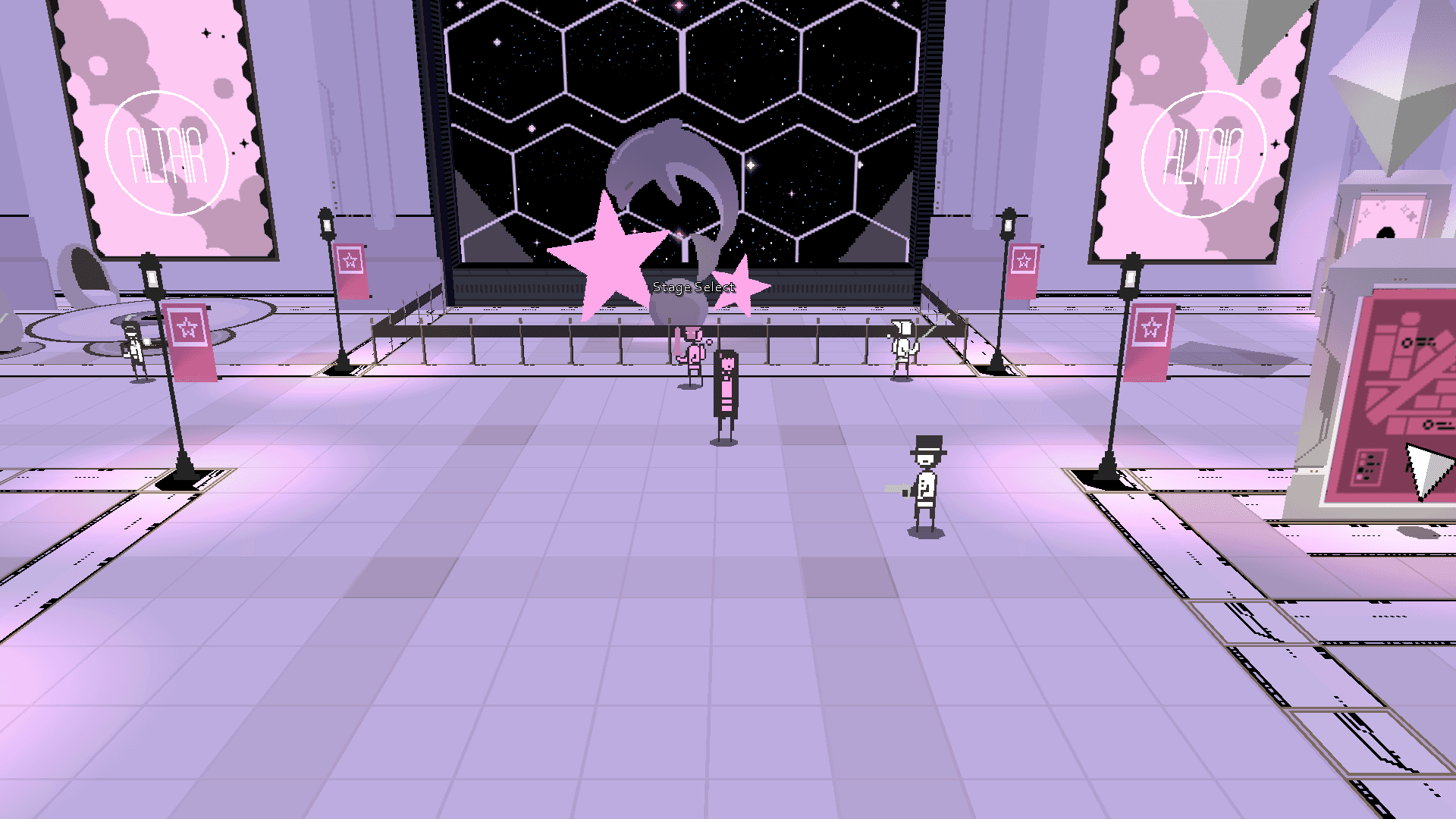
Screenshot
OVERVIEW
One winter, I had the chance to go back and make some revisions to Juno 06, a tactics RPG I had released earlier. Now that it had been finished, and I had been given new eyes for design. I wanted to see if I could go back and fix some of the issues with an overhaul patch.
I didn't exactly have a lot of time to spare, that much was certain; I had a lot of other things going on at the time, and I couldn't afford to get bogged down in another several-months-long project (the game had originally taken multiple years to develop). I would have to work with what I had on hand.
Time Frame
2024 | 2 Weeks
Objective
In a very short amount of time, design and release a patch that overhauled all of the game's UIs, as well as ironing out some feedback details in the gameplay, and fixing some bugs.
Roles (Within Case Study)
UX Research, UX Design, Programming
Overall Roles
Solo Project: Research, Branding, Game Design, Art Design, Writing, World Building, Narrative Design, Full stack development including programming, artwork, music and sound.
REDESIGNS
Collecting Feedback
Thankfully, the small community of players who bought my game were pretty vocal about their feedback.
It didn't take a lot of digging around to find complaints that they had with the old game's systems. I used reviews, comments, and direct messages with players for my data. Furthermore, I had already run several diary studies of my friends playing the game in the past, and I had taken notice when they had struggled to understand part of the game's controls or interfaces.
Feedback
"The enemy attack radius is very hard to see on dark floors."
"The only thing I have to complain about is a few UI-related bugs, but overall a good time."
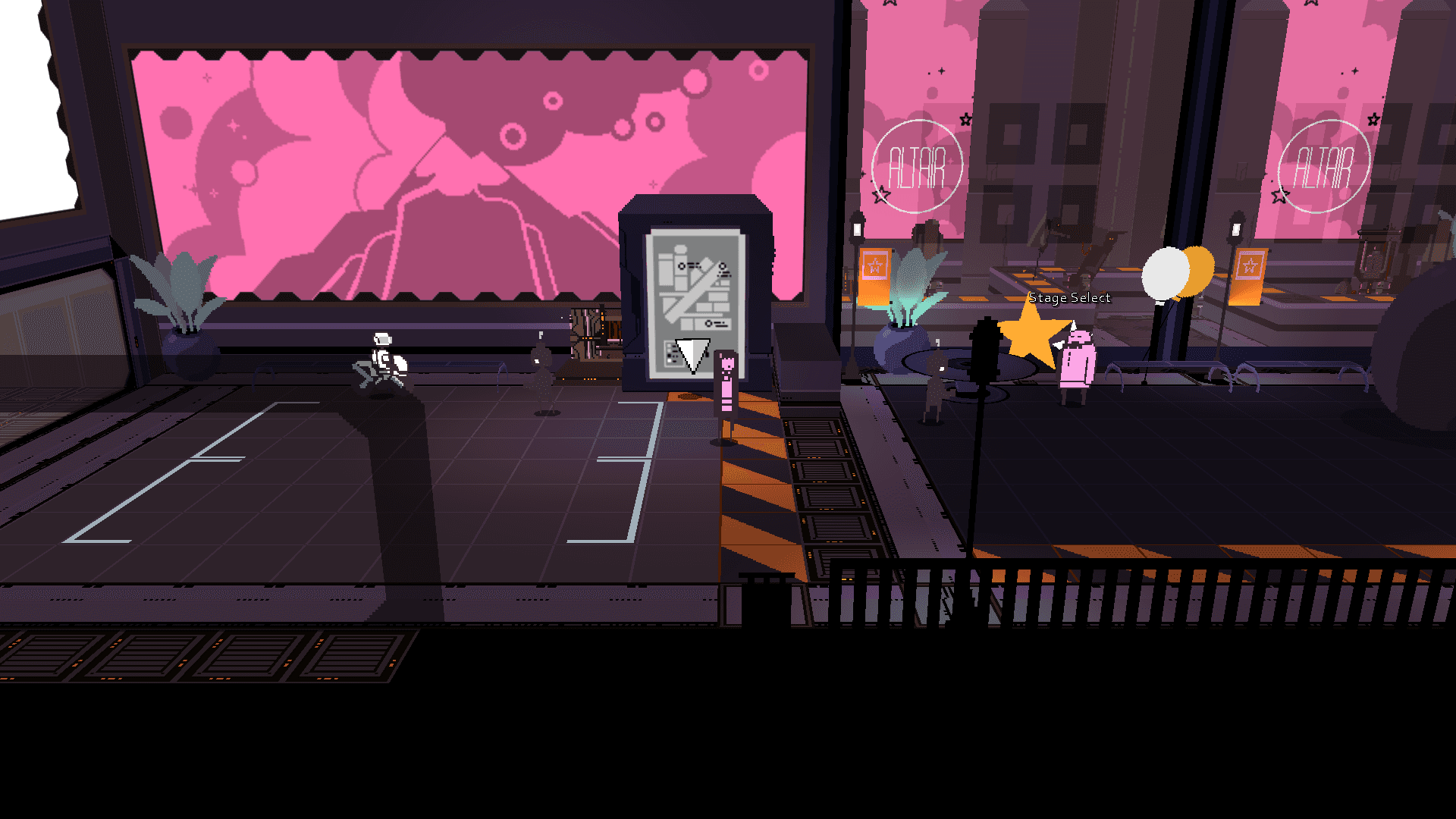
"Your character often doesn't start within talking distance of the Stage select NPCs after completing a level."
Movement System
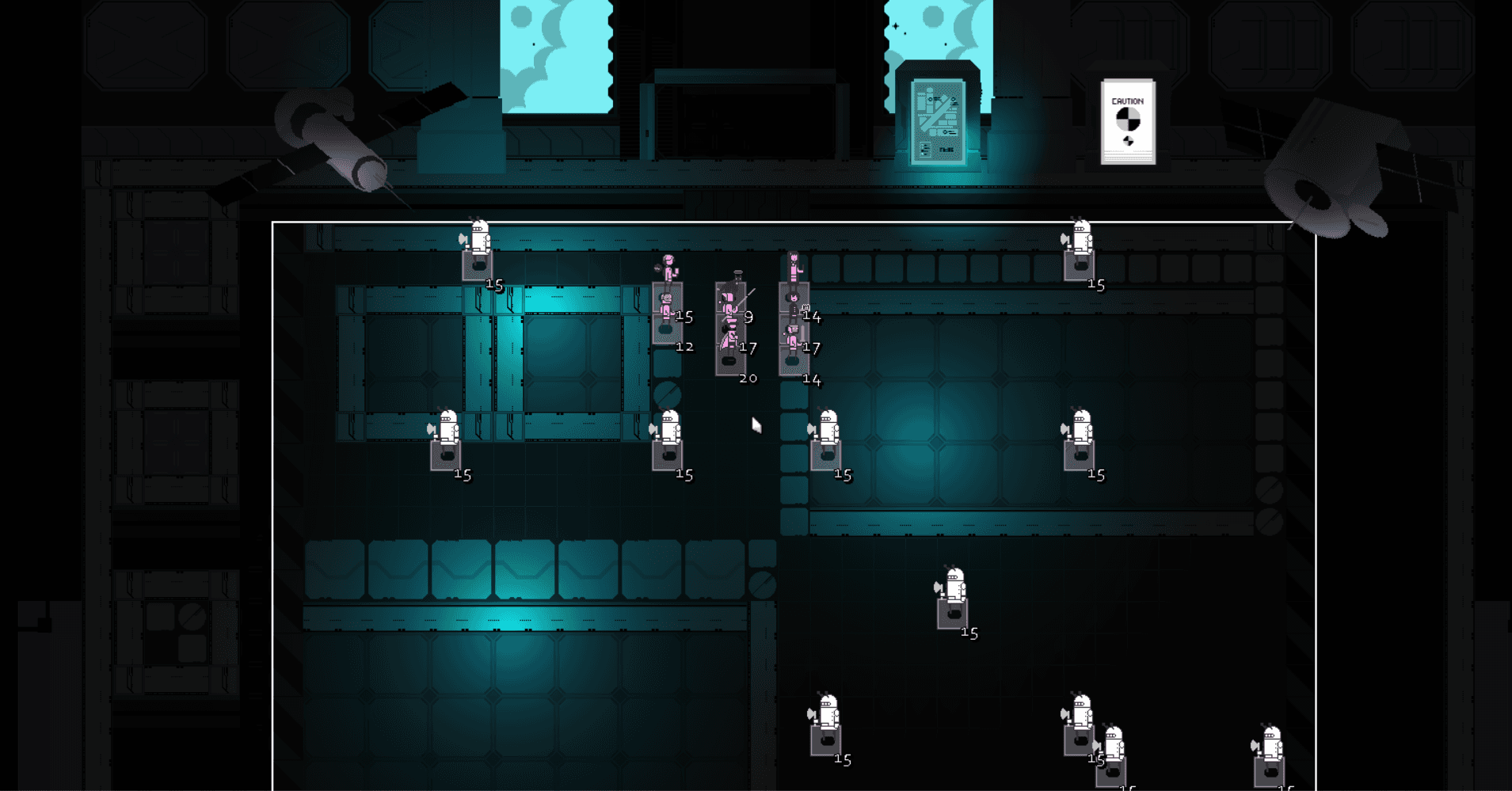
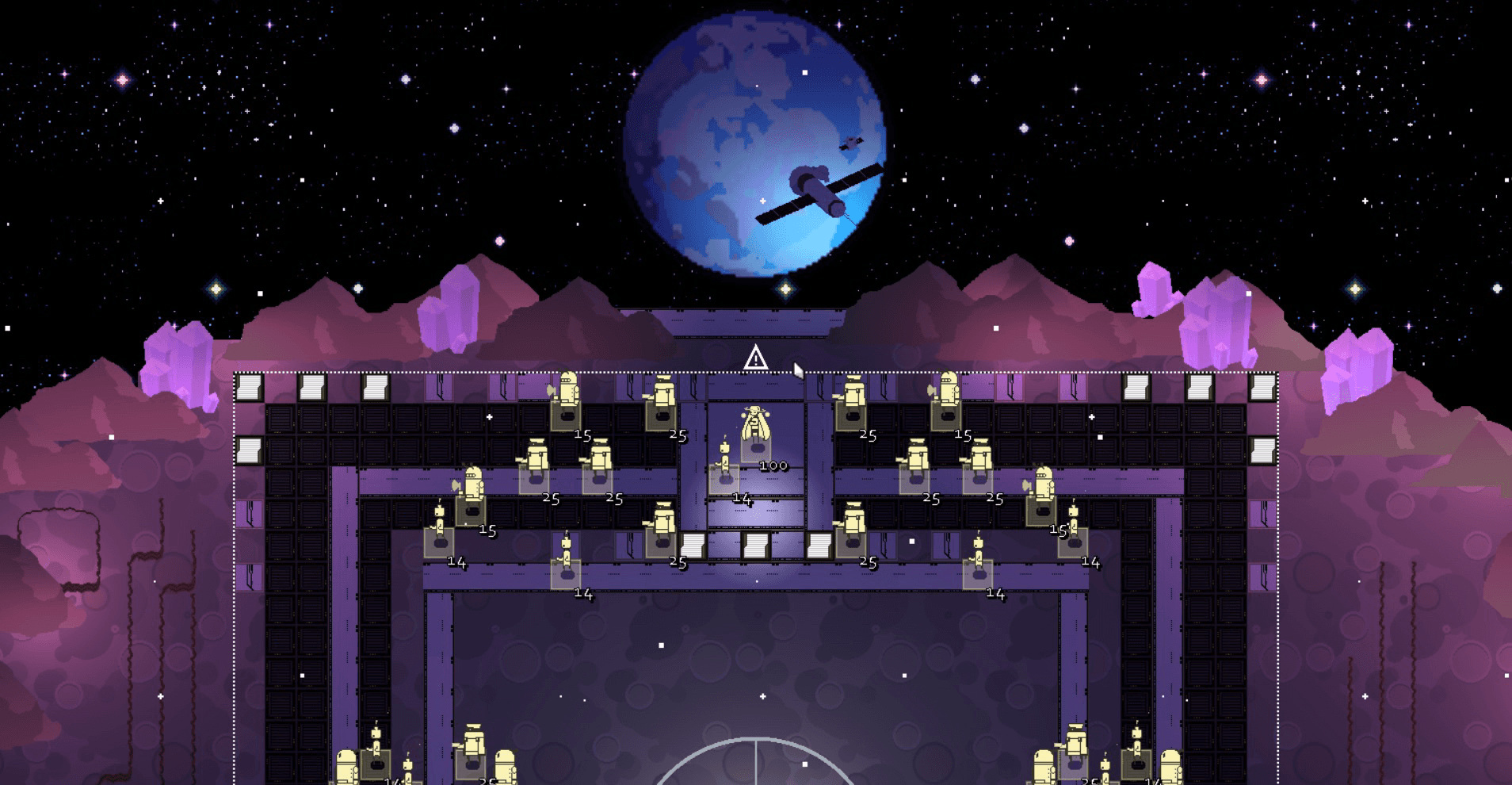
One of the first things I changed was the way the range of movement options was being visualized. I noticed during testing that a lot of players were having trouble understanding what enemies they could and couldn't attack at the very far edge of their movement range.
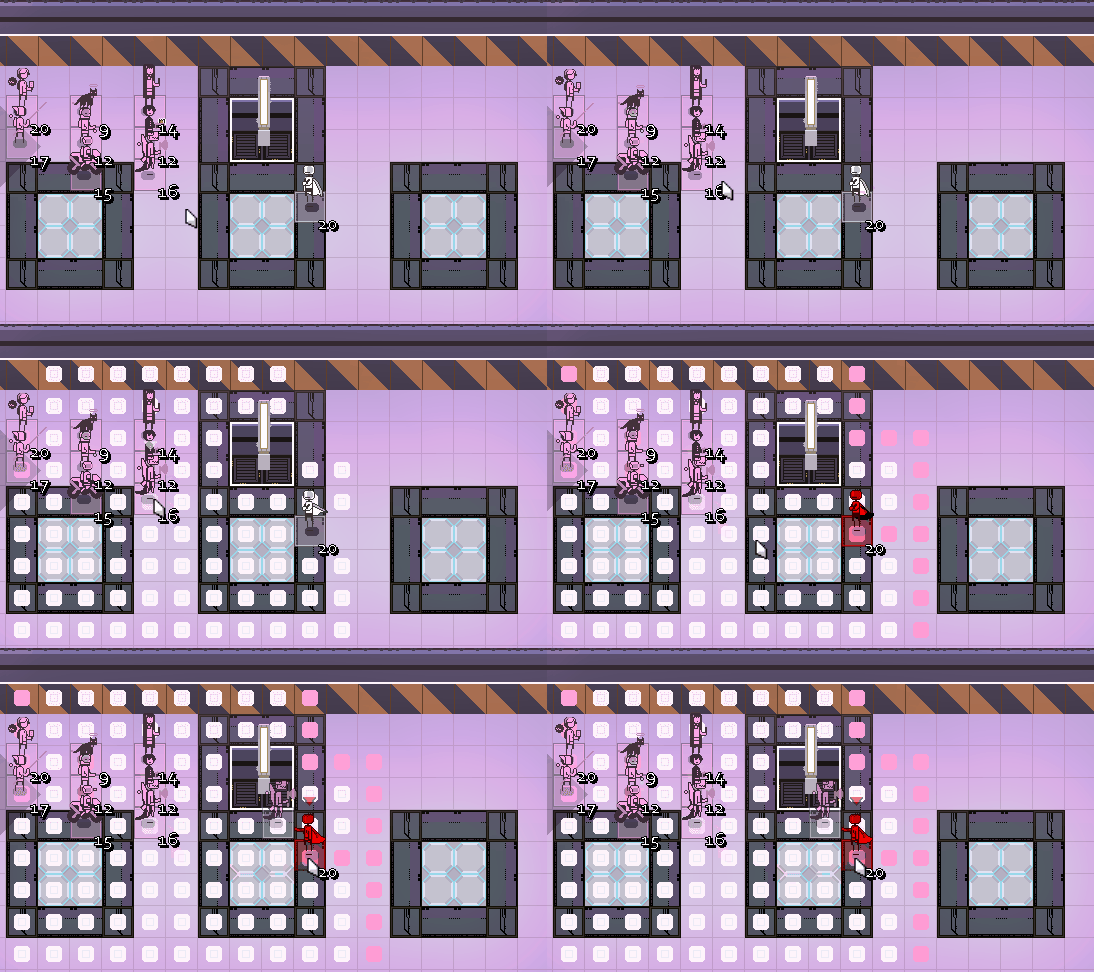
New movement system, which is tile-based, more accurate in its predictions, and shows a holographic character to suggest positions to move to.
Character Interaction Controls
In order to talk to a character in the game world, players need to move within a certain distance.
However, in the old system, this distance was not indicated in any way, and I found during testing that some players couldn't tell when they could or couldn't interact with a character. In the overhaul, I added an icon and flashing indicator, in addition to some other subtle touches.
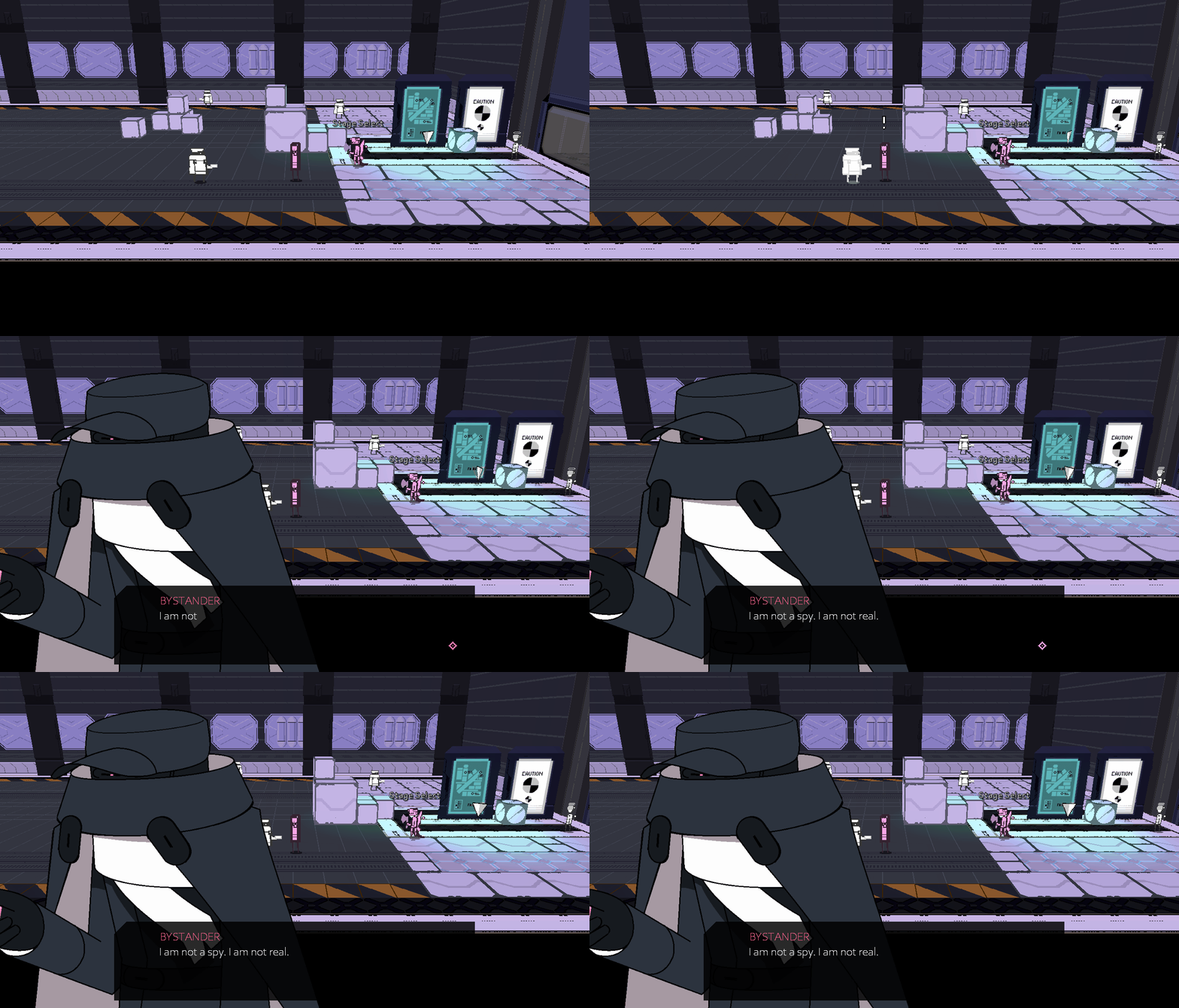
New character interaction marker
Cutscene UI
The game features several story segments where characters talk to each other to advance the game's plot.
I found during testing that some players would instinctively try to move around during these cutscenes, indicating a lack of clarity for when the gameplay had been paused to show a story segment. I addressed this with some black borders, and I also changed the text box to be more readable.
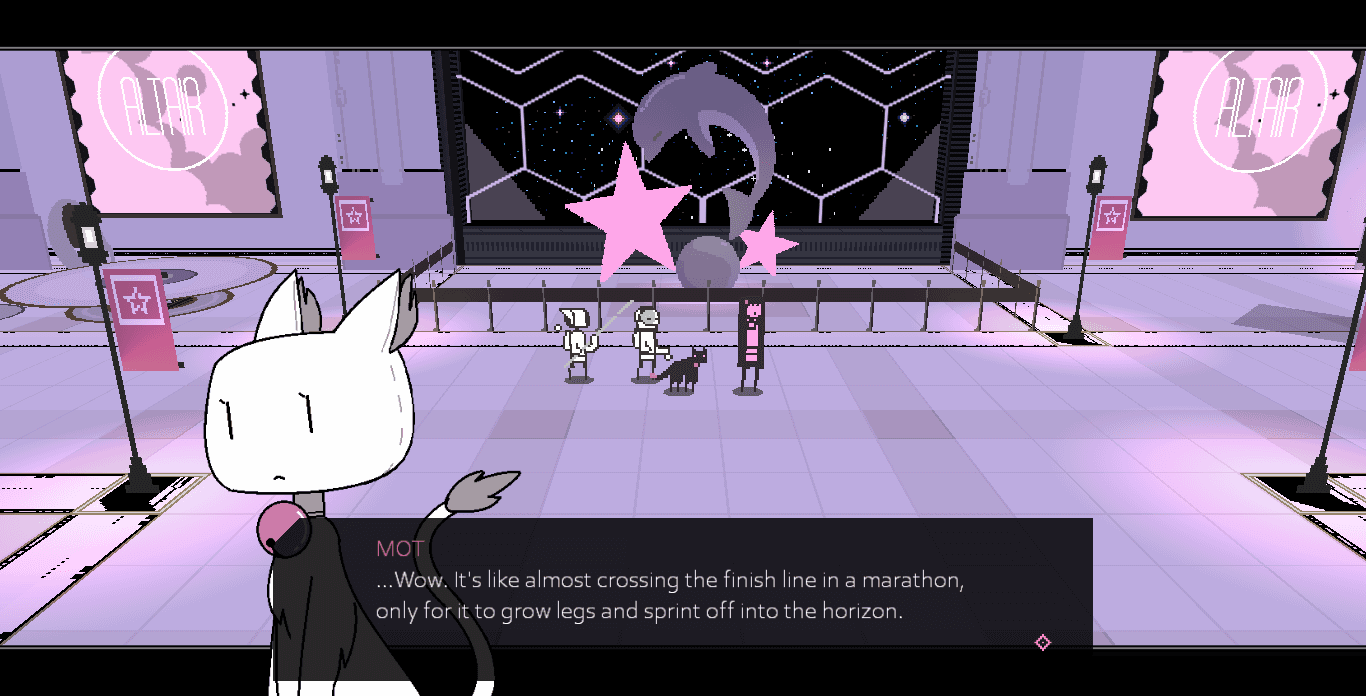
New cutscene UI, which has borders to indicate a non-gameplay segment, centered text for easier reading, and proper header-body separation.
Releasing the Patch
In the end, after finishing my changes and testing them, the patch was released to users. Based on the overall feedback that came in on the store's reviews and in comments sections, I'm happy to say that it was received pretty well.
Feedback
"Used to have issues with planning due to somewhat inaccurate movement/attack ranges, but has been fixed with the new tile system."
"As for the gameplay, after getting used to the new movement system, i do like it a lot better than the old one. It feels better."
"The recent updates have resolved most of my minor grievances with gameplay."
TAKEAWAYS
Since the time window was so small, some compromises had to be made, especially as new programming bugs also popped up and had to be addressed. However, the patch still had a big impact on the game's overall presentation and usability. This experience taught me that it's never to late to go back to a years-old project and make some changes.
I had to wear many hats, and considered aspects such as music, narrative design, game balancing, visual design, world-building, and character design. There's far more I'd like to discuss in person that goes outside the scope of this case study. If you're interested, feel free to reach out!