Magellania
Overview
“Magellania” is a video game I released to Steam for my independent studio Illunsoft. If you're not familiar with this type of game, it's a strategy game where you control different pieces that take their turns moving around and attacking, similar to chess.
Goal / Challenge
Designing a Tactics RPG for an audience unfamiliar to tactics games.
Time Frame
2017 - 2021
My Roles
Solo Project: Research, Branding, Game Design, Art Design, Writing, World Building, Narrative Design, Full stack development including programming, artwork, music and sound.
With Magellania, I wanted to reimagine the turn-based tactics genre to be more fast-paced and dynamic. Being a personal project, there were many decisions I had to make, and many factors that I had to consider to make those decisions. Within the scope of this case study, I'll only focus on what I did to achieve the particular mission of appealing to an audience unfamiliar to tactics RPGs.
Research
While I had played a few games in the genre, I had never fully designed a turn-based tactics game before. To learn more, I performed competitive analysis of game mechanics and controls.
Insight From Paper Mario
I saw that Paper Mario was designed as an RPG that modifies traditional aspects to be more appealing to non-RPG players.
Low number values keep actions impactful.
Action commands makes turn-based gameplay more tactile.
Give players agency; don't reduce gameplay to sheer numbers.
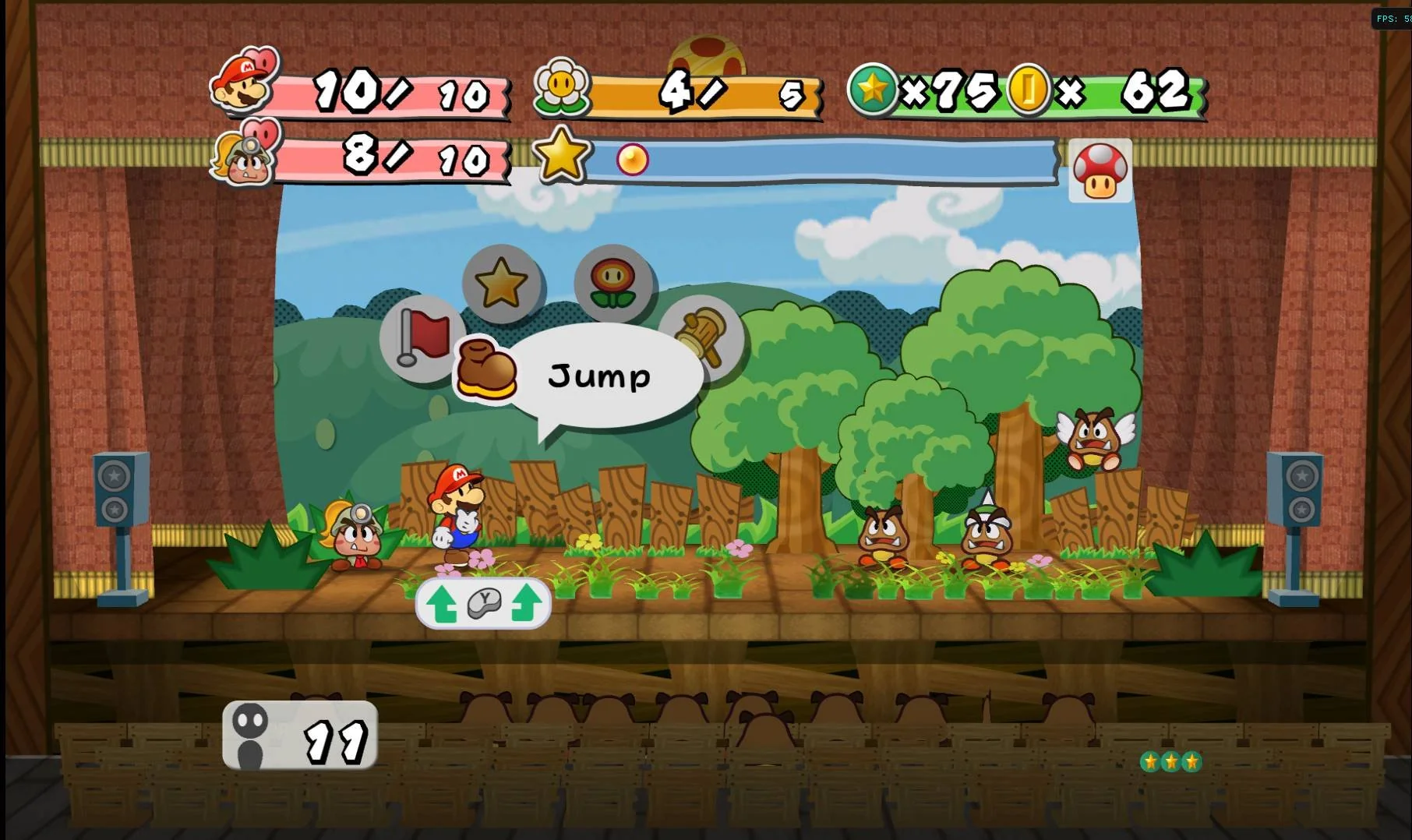
Paper Mario uses low numbers for all gameplay values. Even a single point of damage can be impactful. It's also easier for some users to understand the values.
Insight From Disgaea
Disgaea is a traditional tactics RPG. I gained insights, both of what not to do, and also what to do.
Minimizing the "clicks" count to perform an action can make gameplay less tedious.
A system that enhances the strength of subsequent actions gives agency over how to allocate applied force during combat.
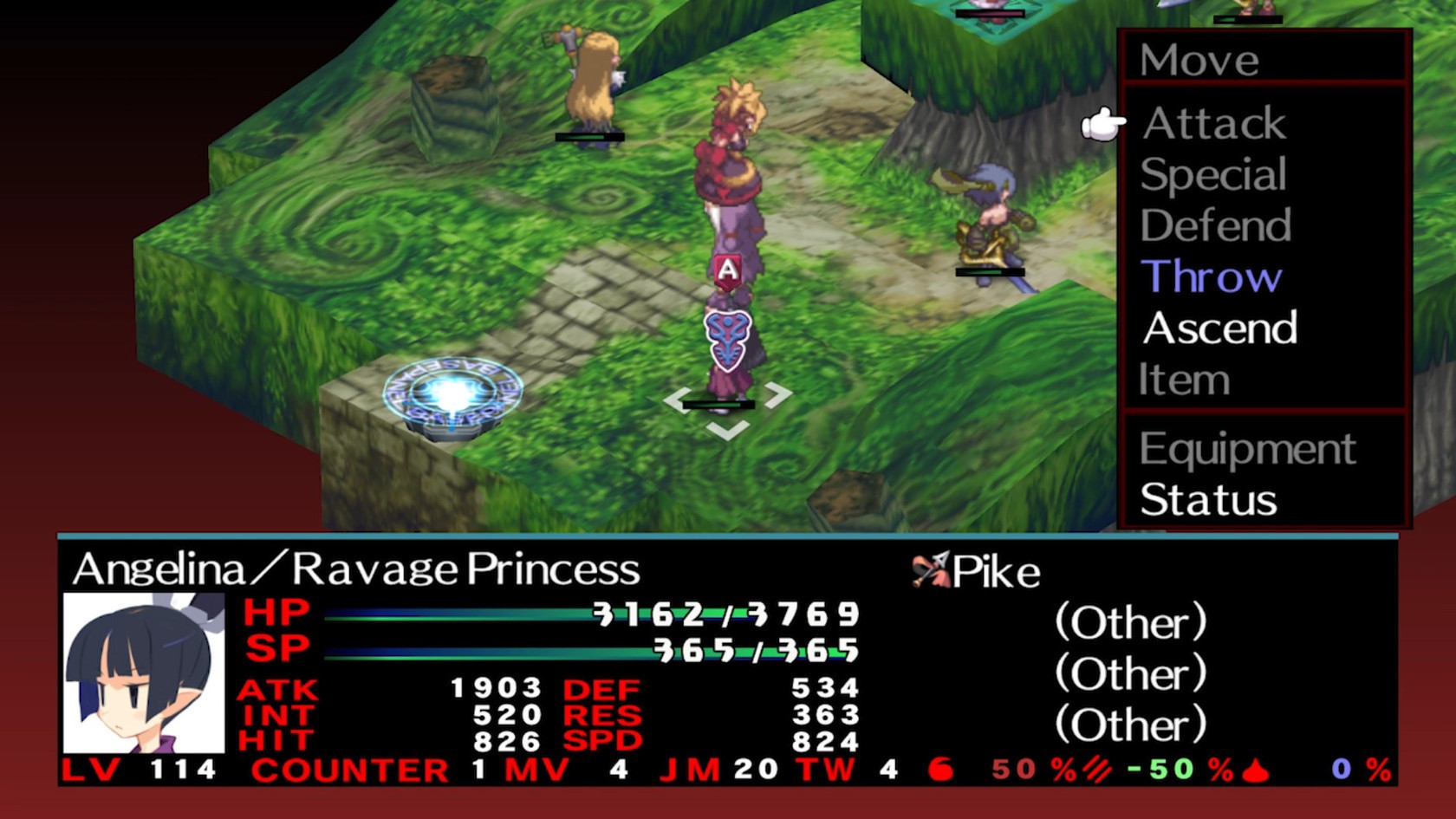
Navigating through extraneous menus can lengthen the amount of time an action takes to execute.
Gameplay
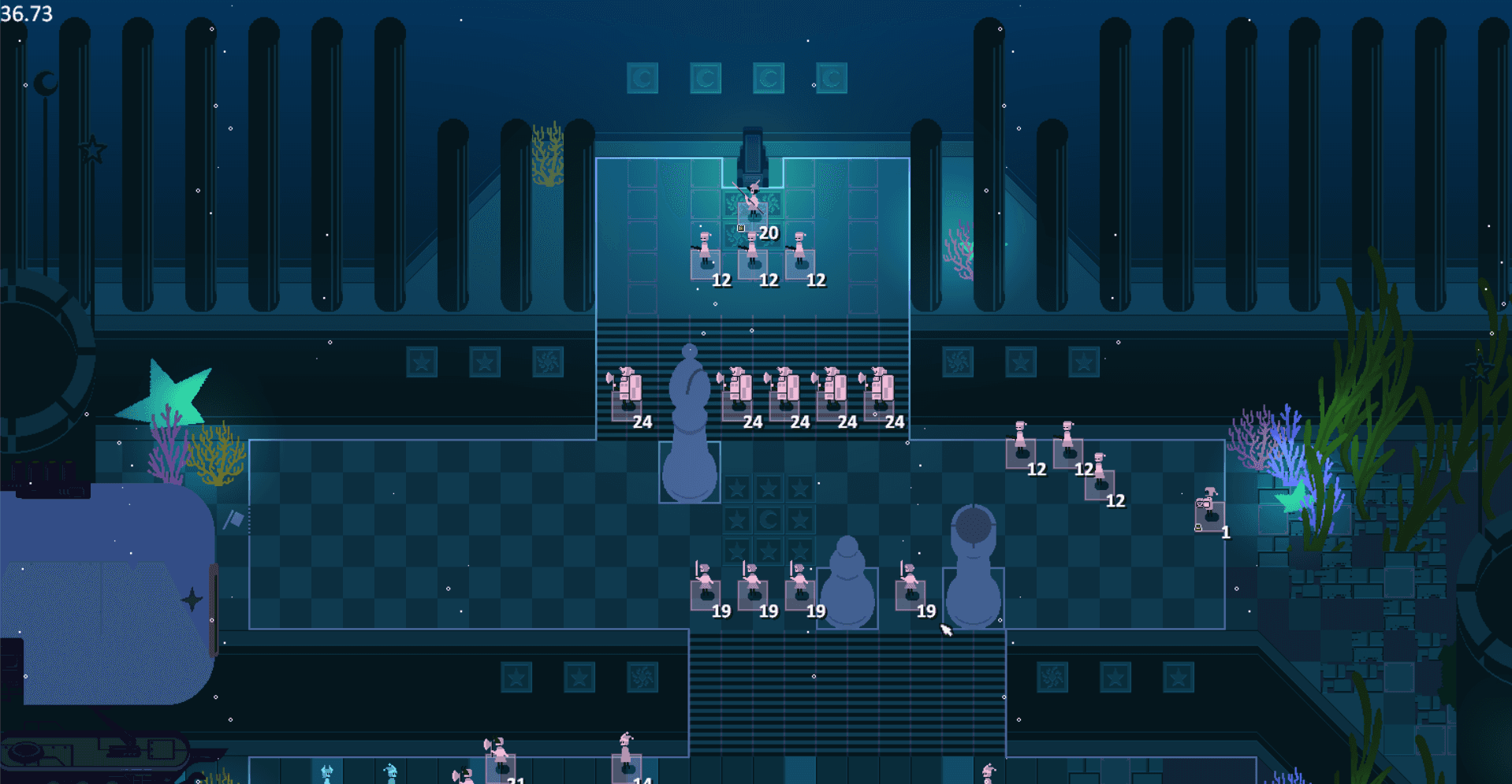
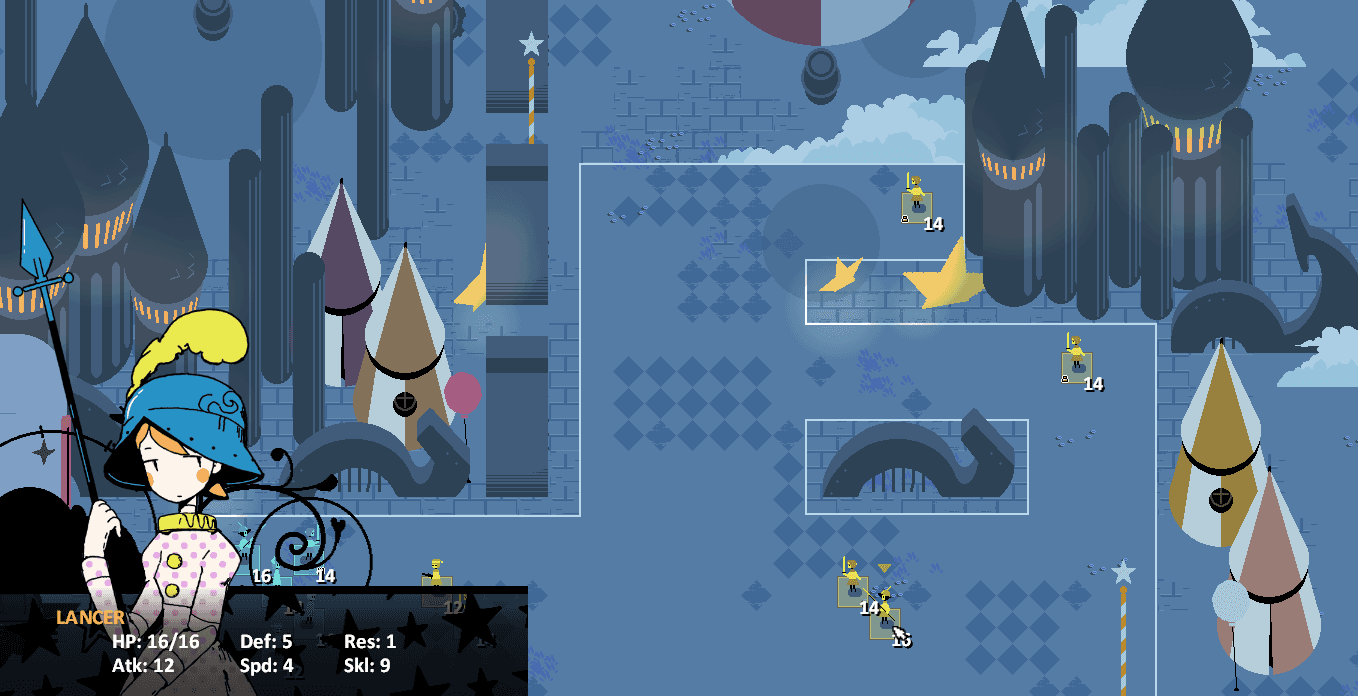
Based on insights learned by studying other games closely, I had gained some ideas. Through testing and iterative design from player feedback, I began to balance the game around these ideas.
Simplified Movement Controls
I designed the gameplay controls to minimize the amount of clicks used. This improves the pace of gameplay so that the focus isn't bogged down with executing simple actions.
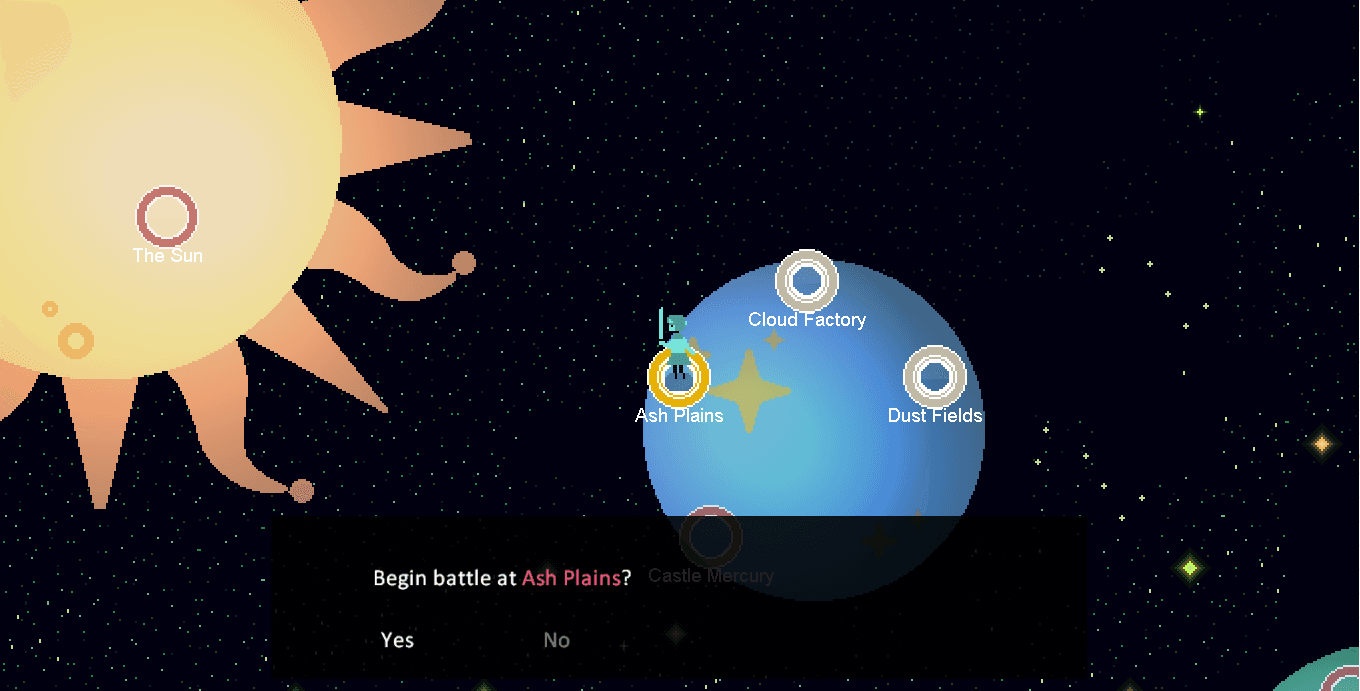
In this example, movement is quick and snappy.
Combo-Based Damage Multiplier
As the player gives commands to characters on their turn, the weight of each subsequent character's action is increased. This gives the turn-to-turn action some depth beyond just mathematics.
For example, if a character's attack value is too low to damage another character with a high defense value, the player can choose to ramp up the damage using other methods, which gives us some much-needed flexibility instead of rigid yes-no scenarios.
In this example, the same action deals 14 damage, then 15, then 16 based on an increasing combo meter..
Timed Inputs During AI Turns
I incentivized watching and inputting controls at specific points during an enemy's animation.
This makes the CPU enemy's turn something the player can participate in, instead of being a long period of inactivity.
In this example, a stars effect plays after the player parries correctly.
Art Design
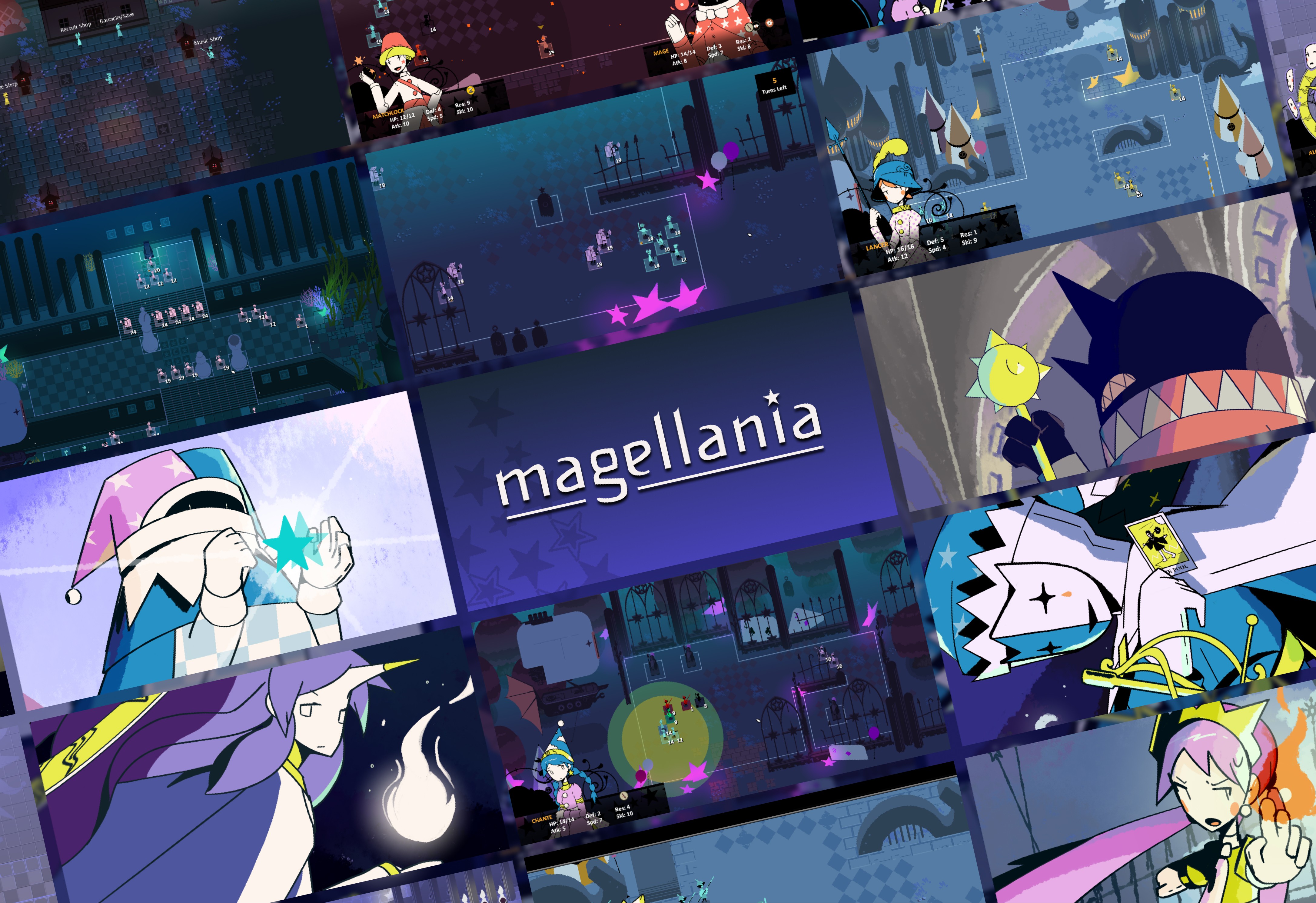
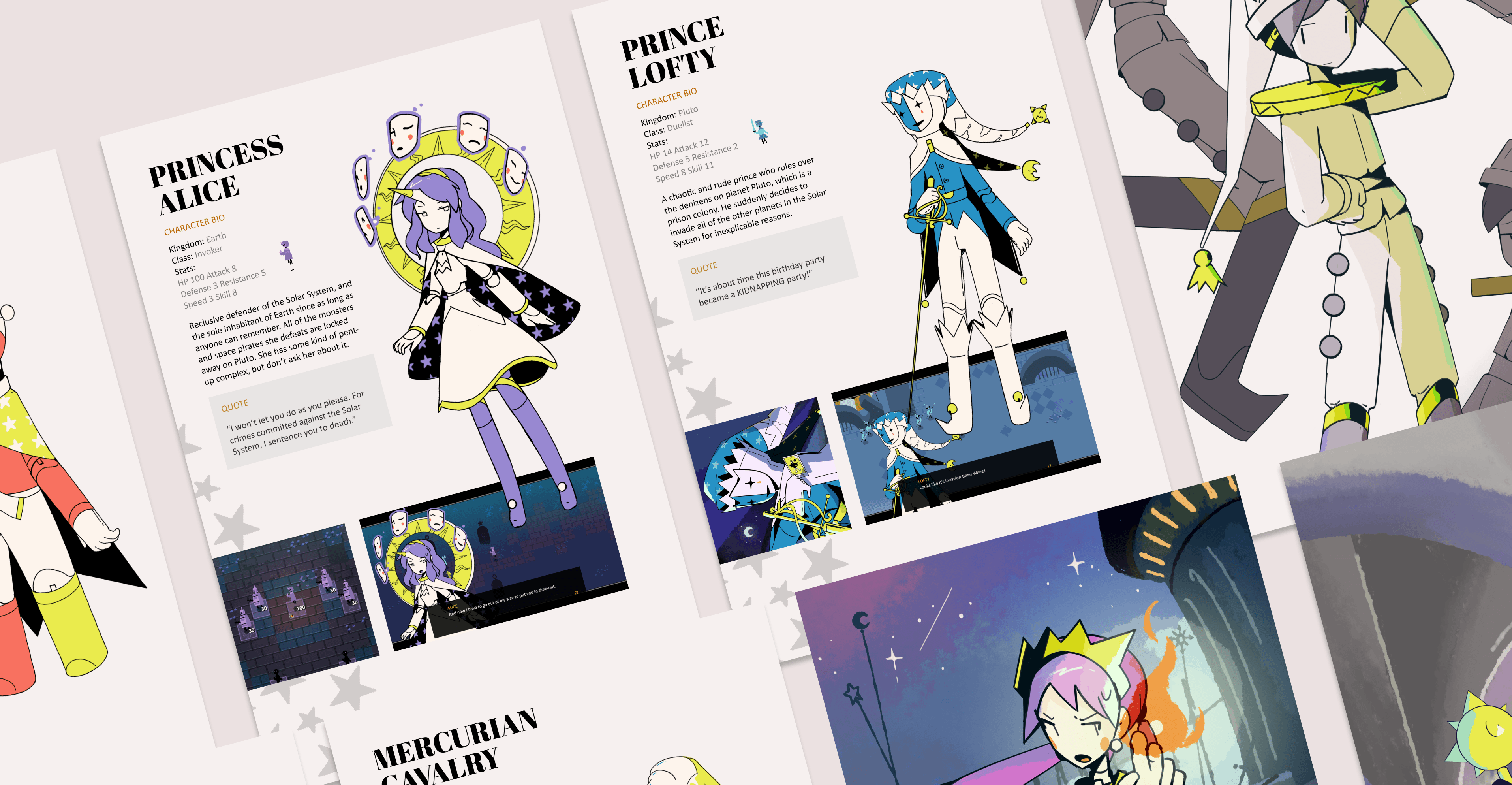
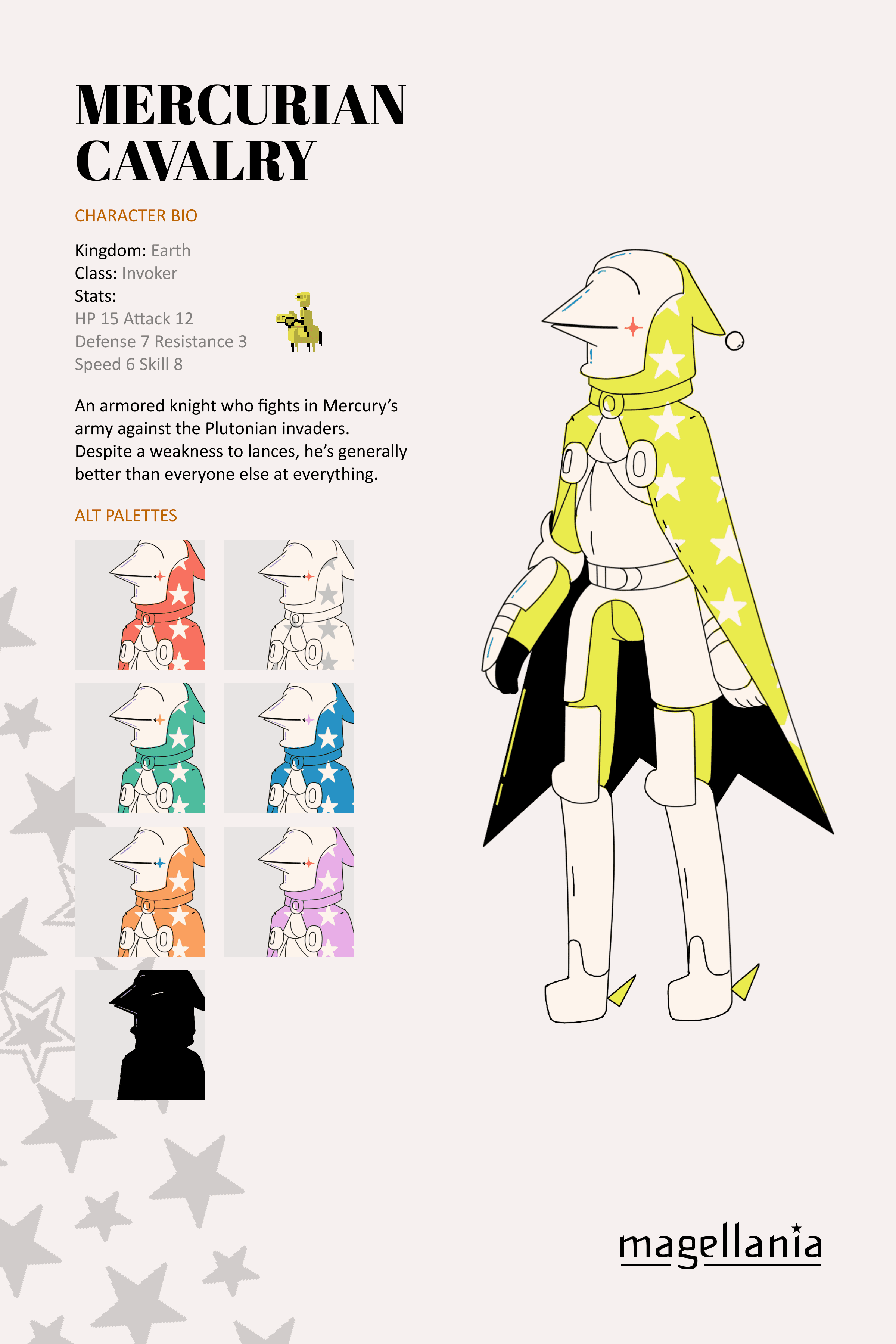
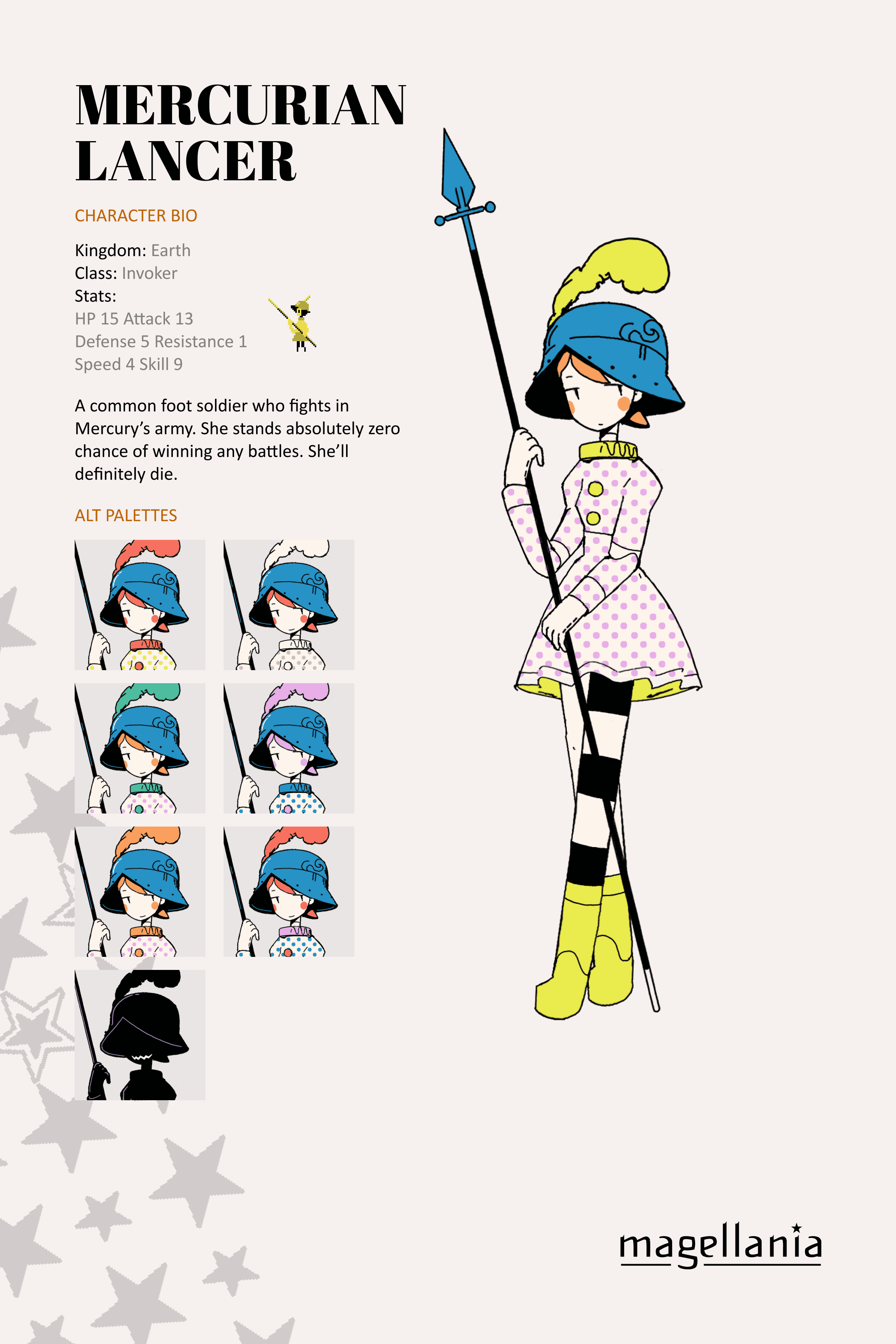
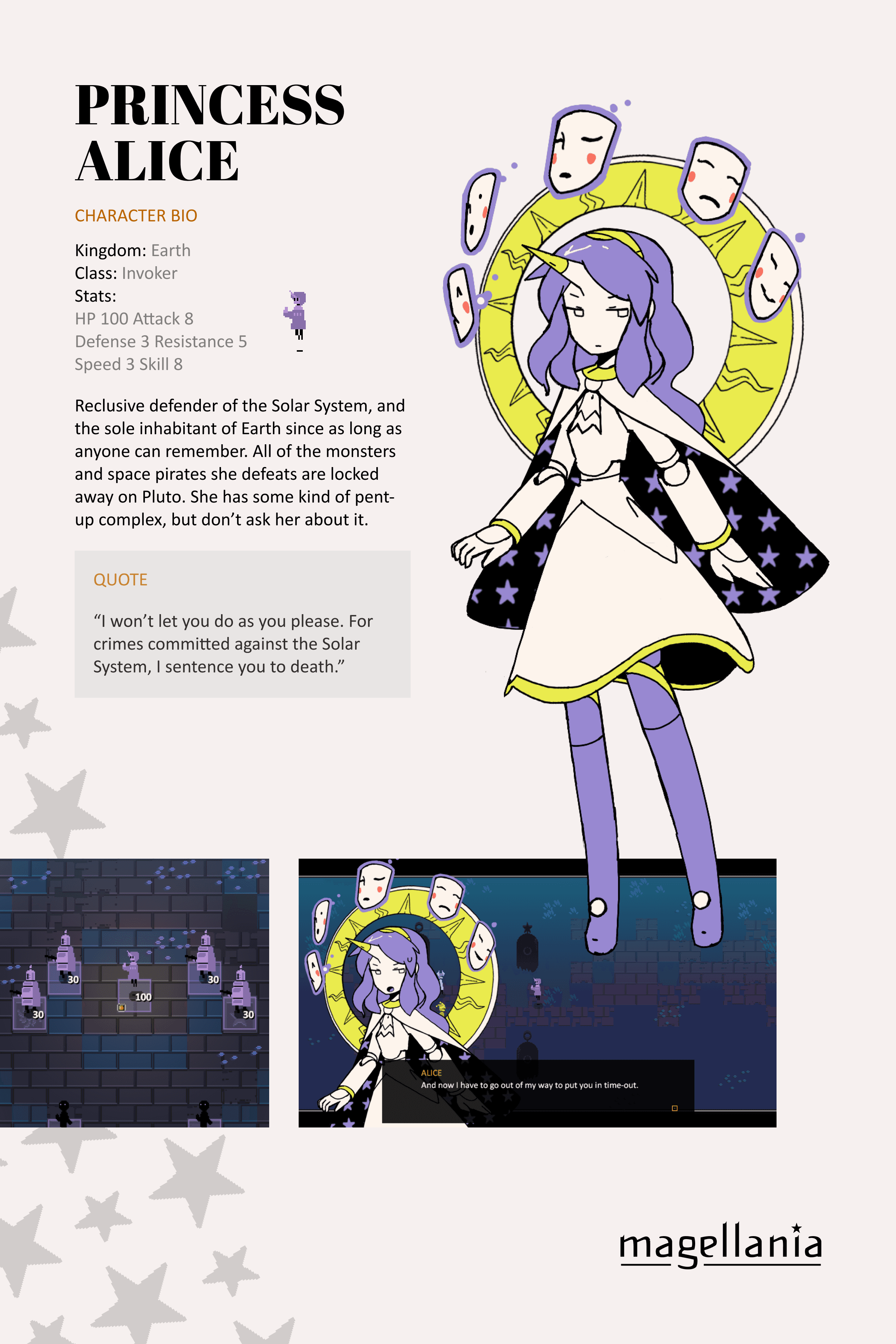
I knew the game would be put in a catalog with a sea of other published titles, so I wanted it to stand out by using bold colors for striking character designs.
The setting was inspired by Little Nemo in Slumberland by Windsor McCay and other similar works.
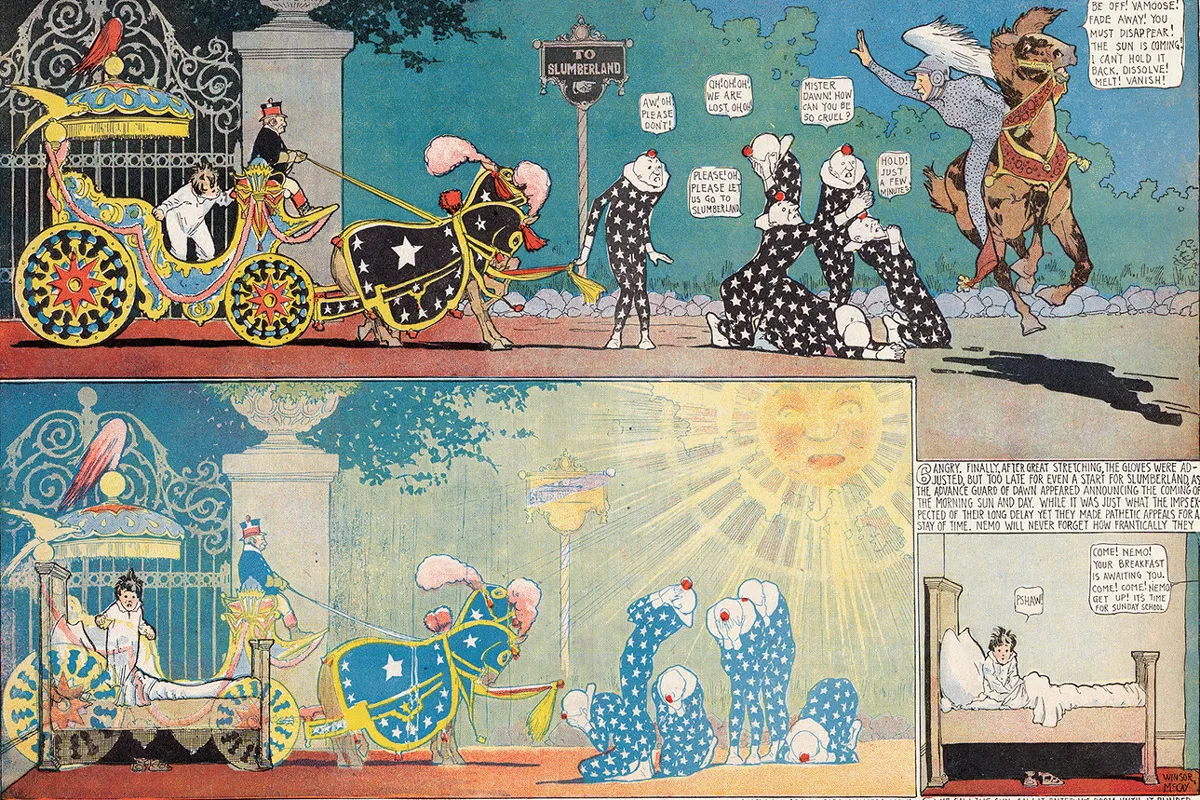
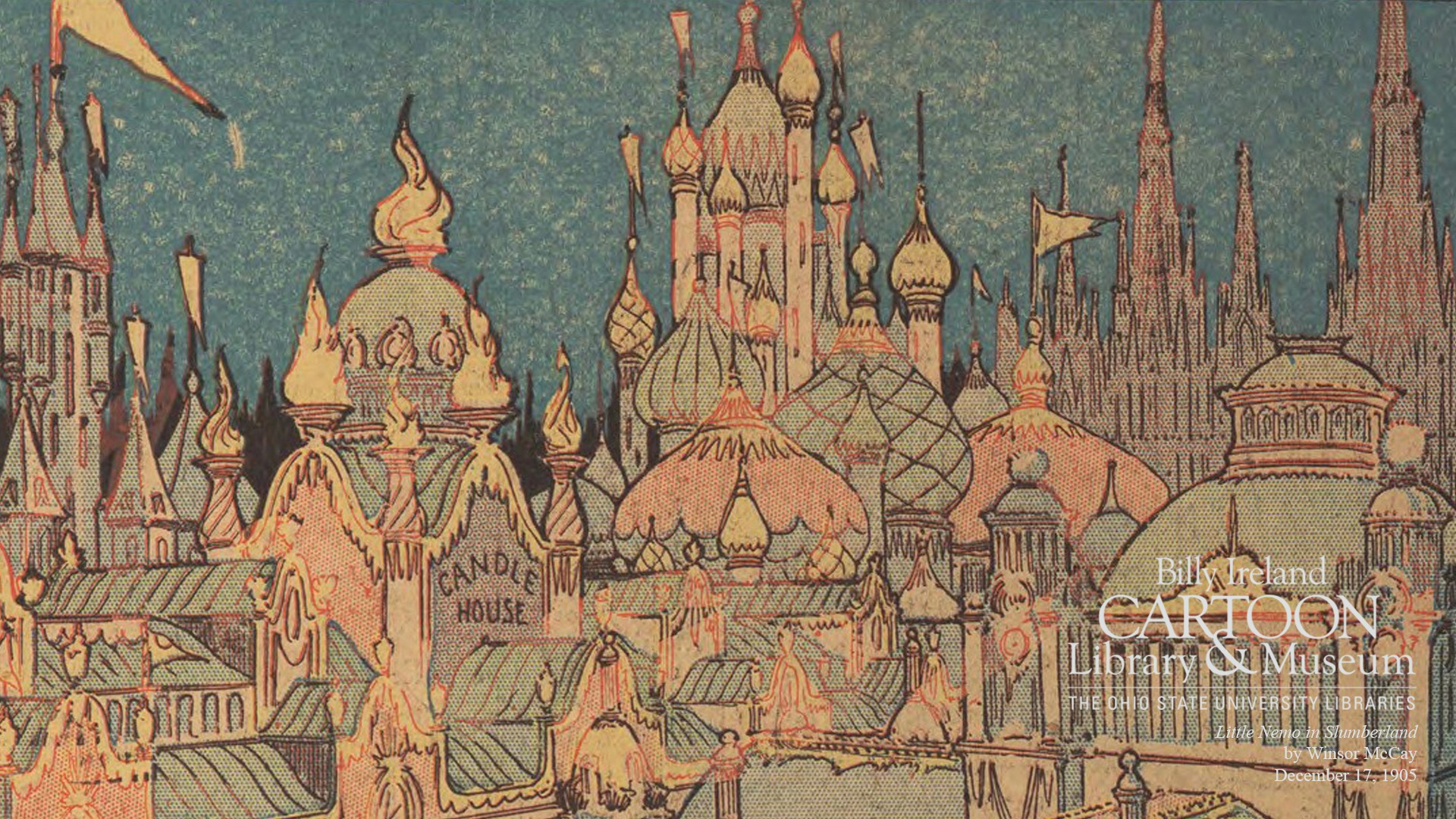
I picked a unique dreamland setting so that my project could have its own distinct voice and identity. Such a setting is exotic enough to be fresh, but also allows for medieval weapons and fantasy magic, concepts which are familiar to players.
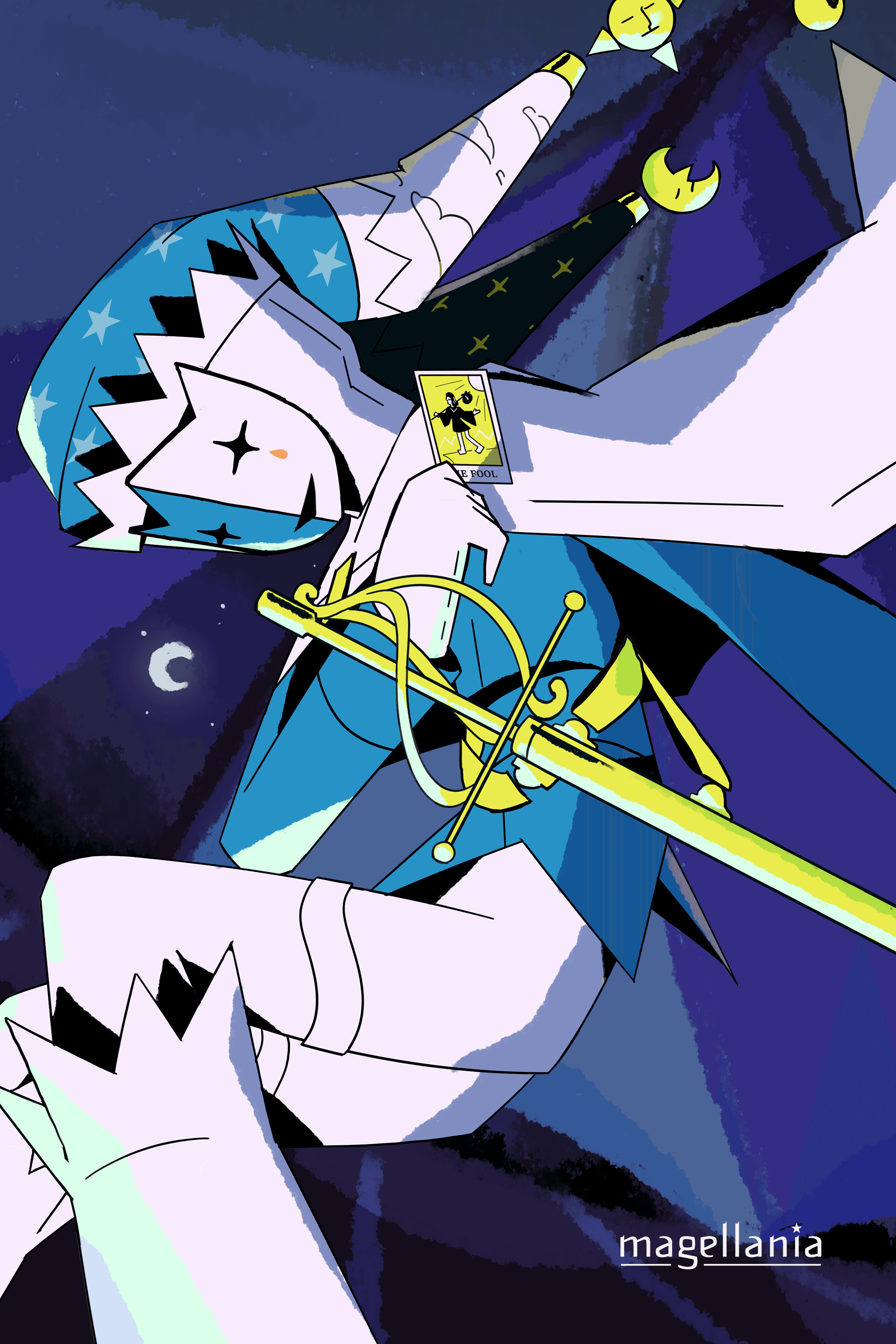
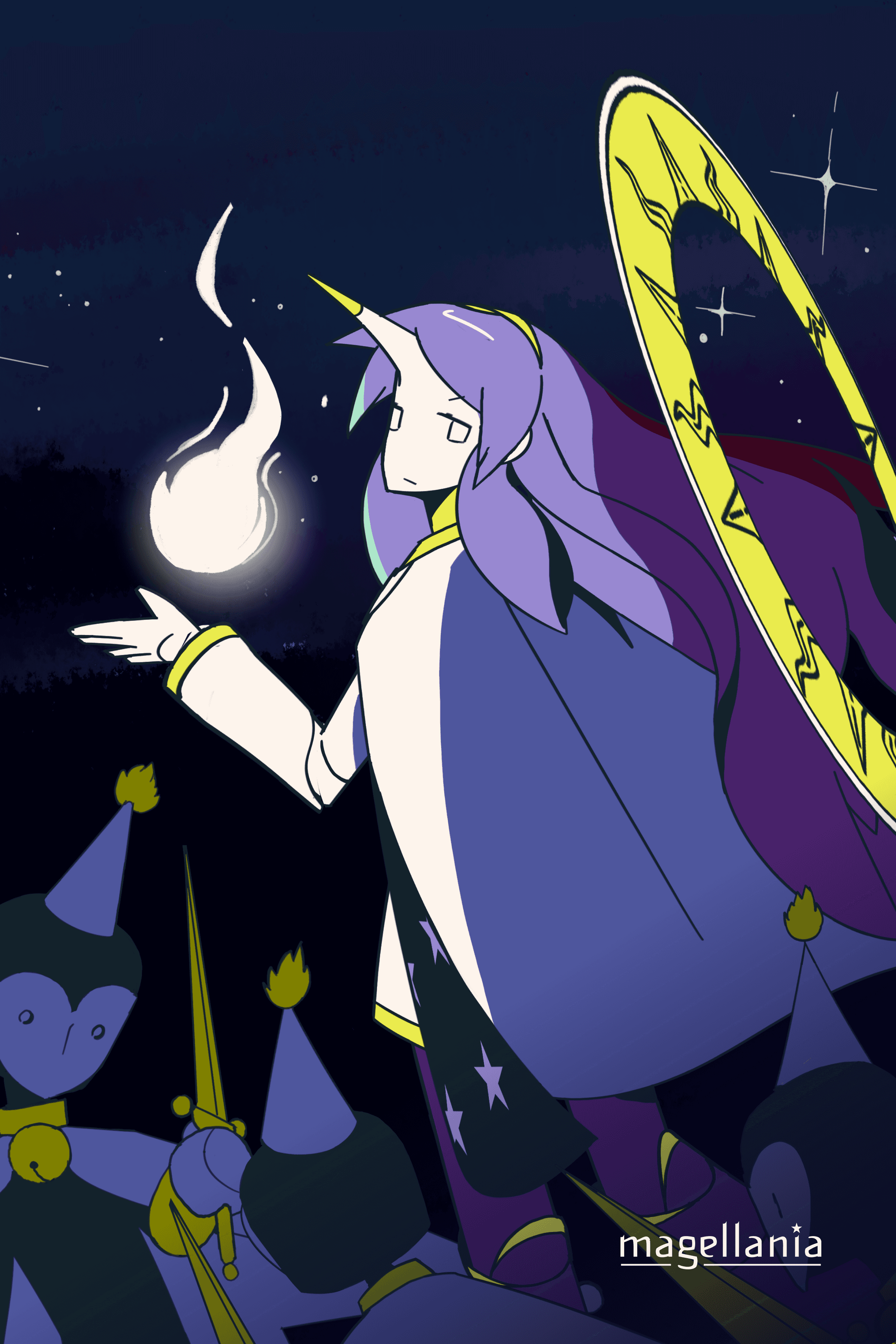
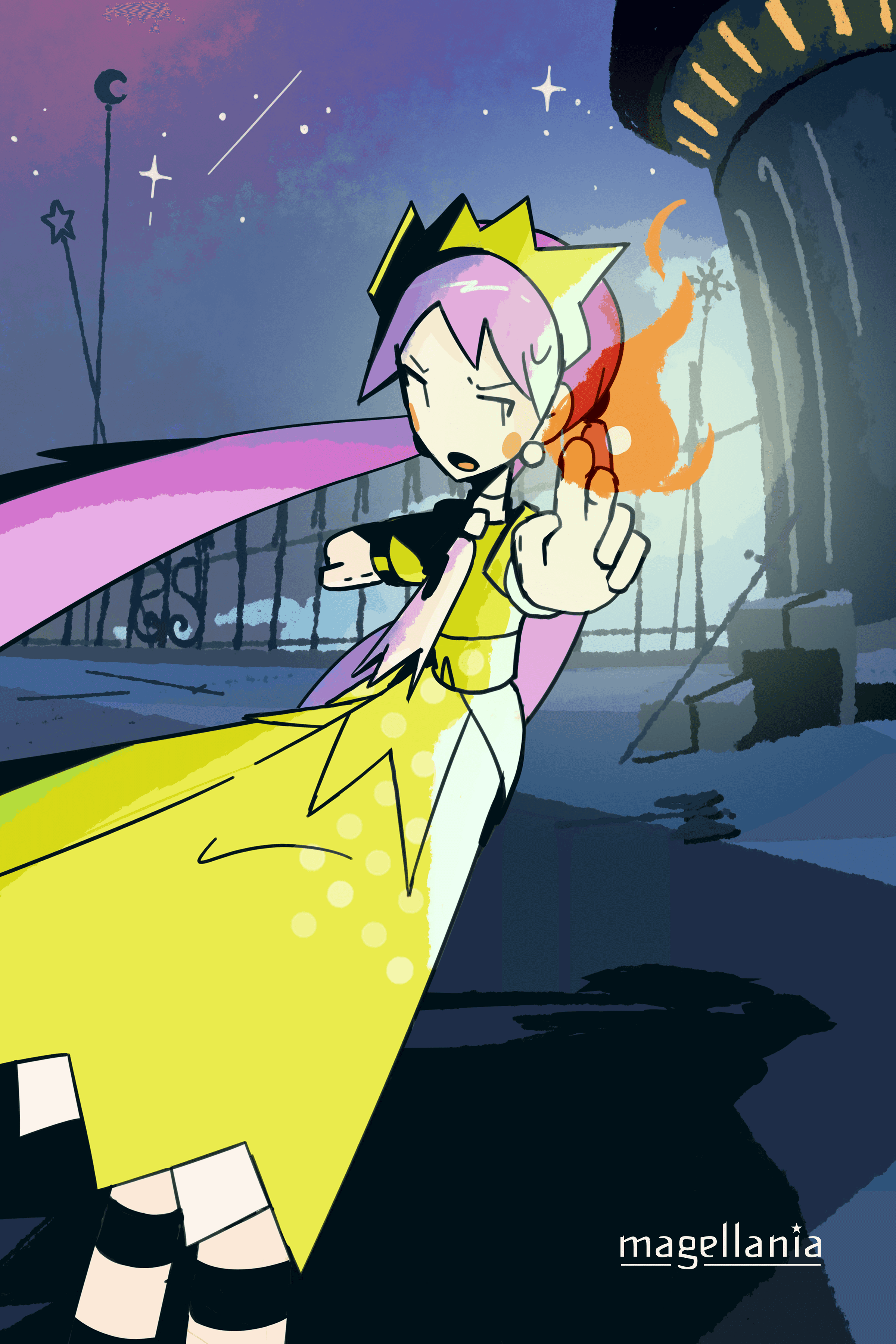
Below are some of the promotional materials I made for the online marketing campaign:
Reception
Since release, the game has been played all over the world including the US, Argentina, Canada, the UK, Russia, Japan, and Turkey.
Alongside a journalist publication, reviews written by its players speak to the game's positive reception.
User Reviews
"A delightful little strategic rpg; complete with a unique art-style, good music, charmingly silly story, and battle mechanics/unit customization."
"Fantastic tactics game. Plenty of room for various playstyles with a number of interesting classes. Difficulty curve is solid. Music is nice and dialogue is fun."
"This SRPG has its own thing going on. The battles are fast, dangerous, and reward playing aggressively."
Before Magellania, I had a big graveyard of scrapped and unfinished projects. I've since learned a lot of other skills and I've updated the game some, but I'll always remember it for what it represents. This was my breakout title in a time of my life where I didn't know if I'd ever be able to finish a game.
I had to wear many hats, and considered aspects such as music, narrative design, game balancing, visual design, world-building, and character design. There's far more I'd like to discuss in person that goes outside the scope of this case study. If you're interested, feel free to reach out!